



What Does Dog Poop Look Like on a Raw Diet?
Table of Contents
- What Are the Visual Characteristics of Normal Raw Dog Poop?
- Why Is Raw Dog Poop Smaller and Less Smelly Than Kibble Poop?
- Why Does Raw Dog Poop Turn White or Powdery in the Yard?
- Why Is There Mucus on Your Dog's Poop During the Transition to Raw?
- What Should You Do if Your Dog Strains on Raw Food?
- What Do Abnormal Stool Colors Mean on a Raw Diet?
- How Does We Feed Raw Support Healthy Digestion and Easy Cleanup?
- Say Goodbye to Huge, Smelly Stools
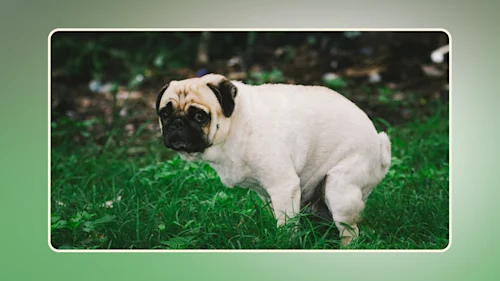
On a raw diet, dog poop is noticeably smaller, firmer, less frequent, and significantly less smelly than stool produced on commercial dry kibble.
Because raw animal protein, nutrient-dense organs, and finely ground bone are exceptionally bioavailable, a dog's gastrointestinal tract digests and absorbs nearly all of the food.
Very little indigestible waste reaches the colon, leaving behind small, compact stools that dry out and break down naturally in the yard within days.
At We Feed Raw, our complete, low-carb recipes are formulated by a PhD animal nutritionist to maximize nutrient absorption, giving your dog the digestive benefits of evolutionary nutrition while making backyard cleanup fast and effortless.
What Are the Visual Characteristics of Normal Raw Dog Poop?
Healthy raw dog poop typically appears smaller, firmer, darker brown to light tan, and forms compact, segmented nuggets that hold their shape cleanly without leaving a messy residue on grass or pavement.
Switching from extruded dry kibble to unheated raw food leads to several immediate physical differences in the yard:
•Significantly Reduced Stool Size: Raw-fed dogs produce stools that are roughly 50% to 60% smaller than those of kibble-fed dogs. Because the food contains no bulky cereal fillers, your dog uses almost every ounce of nutrition they consume.
•Firm, Uniform Consistency: Stools are well-formed and firm to the touch. This natural firmness requires slight, healthy abdominal effort to pass, which serves the crucial biological function of gently pressing against and emptying the anal sacs with every bowel movement.
•Minimal Odor: Because the small intestine absorbs the vast majority of raw protein and fat, very little unabsorbed matter passes into the colon to ferment. This eliminates the foul, pungent sulfur odor associated with kibble waste, leaving behind a mild, earthy scent.
•Lower Daily Frequency: Dogs eating dry food often defecate three to four times per day due to high levels of indigestible fiber. A dog eating a balanced raw diet typically defecates just once or twice a day.
According to holistic veterinarian Dr. Katie Woodley: "A raw diet is the most natural and biologically appropriate way to feed dogs. Their digestive systems are designed to handle raw meat, organs, and bones. Raw food provides highly bioavailable nutrients, which means your dog's body can absorb and use them more effectively."
Why Is Raw Dog Poop Smaller and Less Smelly Than Kibble Poop?
Raw dog poop is smaller and less smelly because raw animal protein, organs, and edible bone have exceptionally high nutrient digestibility, allowing the stomach and small intestine to absorb almost all of the meal while starving odor-producing bacteria in the large intestine.
The difference in stool volume comes down to digestive efficiency and ingredient composition:
•High Total Tract Digestibility: Controlled canine feeding trials, including a 2024 study published in Translational Animal Science, demonstrate that dogs fed raw diets exhibit significantly higher apparent protein digestibility (up to 93%) and lower daily fecal volume compared to dogs fed extruded dry foods. When food is absorbed thoroughly in the upper digestive tract, very little physical residue is left over to form waste.
•Absence of Starchy Carbohydrate Fillers: Conventional dry kibbles rely heavily on starches from grains, potatoes, or legumes to bind ingredients and create an expanded, shelf-stable pellet during manufacturing. Canines produce no salivary amylase in their mouths to begin breaking down carbohydrates during chewing. While their pancreas produces enzymes to process cooked starches in the small intestine, the indigestible plant fibers, resistant starches, and legume binders inevitably pass through into the large intestine, adding substantial physical bulk, water weight, and volume to your dog's stool.
•Reduced Colonic Fermentation: When large amounts of indigestible plant fibers and complex starches reach the colon, resident gut bacteria ferment them, producing excess gas, abdominal bloating, and loose stools. Additionally, high cooking temperatures can reduce the digestibility of lower-quality proteins in processed foods, allowing unabsorbed protein fragments to reach the colon where bacteria ferment them into foul-smelling byproducts like ammonia and sulfur compounds. A low-carb raw diet built on unheated, highly bioavailable animal protein digests cleanly in the stomach and small intestine, leaving minimal residue behind to ferment and keeping backyard odor remarkably low.
According to PhD animal nutritionist Dr. Richard Patton: "Excess carbohydrates are one of the biggest problems in modern pet diets. A raw diet aligns far more closely with a dog’s natural nutritional needs."
Why Does Raw Dog Poop Turn White or Powdery in the Yard?
Raw dog poop turns white, chalky, and powdery within a day or two outdoors because sunlight and weather break down the organic matter, leaving behind natural, biodegradable calcium and phosphorus from finely ground bone.
Unlike conventional kibble stool that lingers as a soft, wet pile for weeks, raw stool undergoes rapid, natural decomposition:
•Natural Bone Minerals: A complete raw diet may incorporate approximately 10% finely ground edible bone to provide essential calcium and phosphorus. Once the dog's body absorbs the organic nutrients, the remaining mineral residue passes into the stool.
•Rapid Biodegradability: Outdoors, environmental bacteria, sunlight, and moisture break down the thin layer of organic material in a matter of days. The remaining minerals turn into an odorless, chalky white powder that dissolves into the lawn, enriching the soil naturally.
•No Artificial Gums or Indigestible Binders: Commercial canned and dry foods rely on thickeners and heavy vegetable fibers that trap moisture in the stool, keeping it sticky, soft, and attractive to flies. Raw food contains no artificial binders, making yard maintenance cleaner and far more hygienic.
Why Is There Mucus on Your Dog's Poop During the Transition to Raw?
A clear or yellowish jelly-like coating of mucus on your dog's stool during the transition to raw food is a harmless, temporary shedding of cellular debris as the colon purges accumulated waste and the intestinal lining repairs itself.
When switching from heavily processed foods to fresh raw nutrition, the canine gastrointestinal tract undergoes an adaptation phase:
•Shedding the Old Mucosal Barrier: Dogs eating high-carbohydrate dry foods often produce extra mucosal secretions to protect their intestinal walls from chronic, low-grade irritation caused by chemical binders and grain starches. When you introduce clean raw food, the colon sloughs off this built-up mucus as inflammation resolves.
•Enzymatic Adaptation: The pancreas and gut microbiome require several days to recalibrate to unheated meats and natural animal fats. This temporary shift in microbial terrain can lead to occasional mucus-coated stools.
•Duration: This transitional shedding is temporary and generally resolves within a few days to two weeks. However, if your dog passes copious amounts of mucus alongside liquid diarrhea, lethargy, or vomiting, consult your veterinarian to check for underlying issues such as Giardia or other intestinal parasites.
What Should You Do if Your Dog Strains on Raw Food?
If your dog strains while passing hard, crumbly stool on a raw diet, you can restore balance by adding gentle soluble fiber, increasing hydration, or adjusting protein and fat levels to soften stool consistency.
Distinguishing between healthy bowel mechanics and true constipation ensures your dog stays comfortable:
•Anal Gland Expression vs. Painful Straining: Passing a firm stool requires slight, healthy muscular exertion, which naturally empties your dog's anal glands and prevents impaction. However, if your dog crouches repeatedly without producing stool, cries out in discomfort, or passes hard, dry pellets that crumble like dry chalk immediately, the stool is too firm.
•Add Gentle Soluble Fiber: Mixing 1 to 2 tablespoons of 100% pure canned pumpkin puree into your dog's meal adds soothing soluble fiber that absorbs moisture in the gut and creates a softer, more pliable stool.
•Incorporate Extra Moisture: While raw food is naturally moisture-rich (approximately 70% moisture), adding a splash of warm water or unsalted bone broth can provide immediate relief for dogs adjusting to dietary bone content.
•Balance Protein Selection: Leaner meats, like pure turkey or chicken, naturally produce firmer stools. Rotating to a recipe with a slightly higher fat content, such as pure beef, can naturally lubricate the digestive tract and soften bowel movements.
What Do Abnormal Stool Colors Mean on a Raw Diet?
While subtle variations in stool color are normal on raw food, clinical red flags such as persistent watery diarrhea, black tarry stools, bright red blood, fever, or vomiting require prompt veterinary attention.
Understanding stool color variations helps pet parents evaluate digestive health with confidence:
•Light Brown to Tan: The standard, healthy color for raw-fed dogs, reflecting balanced muscle meat, organ tissue, and finely ground bone.
•Dark Brown to Blackish: Can occur naturally after meals containing rich, iron-dense organs like liver or spleen. However, if the stool appears tarry, sticky, and persistently black (melena), it can indicate digested blood from the stomach or upper digestive tract, requiring immediate veterinary care.
•Yellow or Greasy Stool: Often signals that food is moving through the digestive system slightly too fast, or that your dog is still adapting to natural animal fats. If yellow, greasy stools persist, consult your veterinarian to evaluate pancreatic enzyme function.
•Specks of Bright Red Blood (Hematochezia): A small streak of bright red blood on the surface of a very hard stool usually indicates minor irritation or a small tear at the anal opening caused by straining. While an isolated speck is rarely an emergency, recurring blood in the stool warrants a veterinary exam to rule out colitis, internal tears, or parasites.
How Does We Feed Raw Support Healthy Digestion and Easy Cleanup?
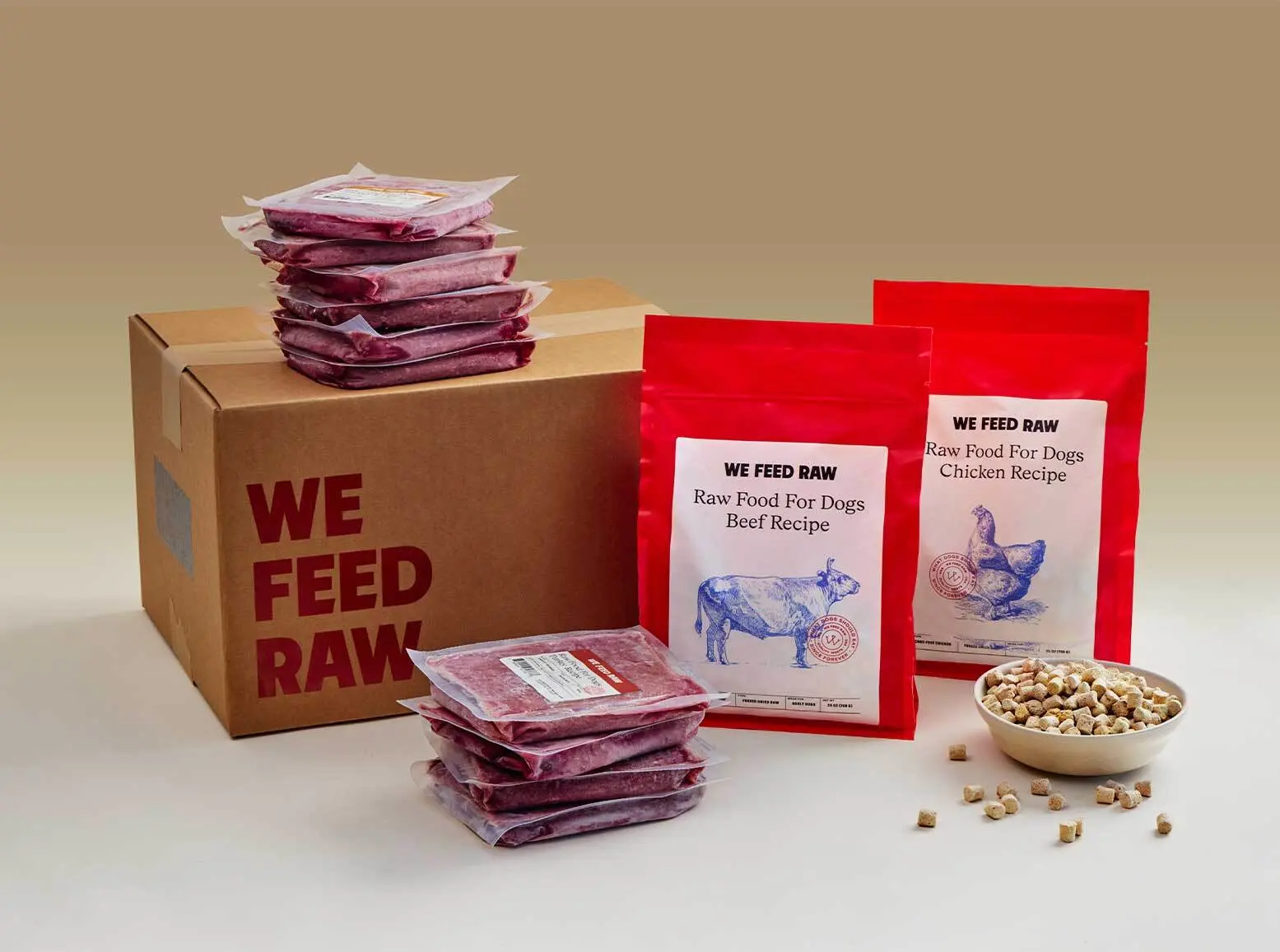
We Feed Raw supports healthy digestion and effortless backyard cleanup by providing complete, low-carb recipes made from USDA-inspected meats and finely ground bone, then cold-pasteurized to ensure maximum nutrient bioavailability and total safety.
Our complete quality system supports digestive wellness from the inside out:
•Formulated by a PhD Animal Nutritionist: Every frozen raw recipe meets Association of American Feed Control Officials (AAFCO) standards for all life stages, including large-breed puppies. Precise calcium-to-phosphorus ratios ensure stools are firm and easy to pass without causing constipation.
•Finely Ground Edible Bone: We finely grind raw bone directly into our frozen raw patties, providing natural calcium that supports firm stools and healthy anal gland function without the choking, broken teeth, or blockage hazards of whole recreational bones.
•Proactive Upstream Sourcing: All meats are sourced from USDA-inspected human-grade suppliers whose poultry flocks undergo strict disease-control measures and agricultural health inspections.
•Certified Facilities: Every meal is crafted in a Safe Quality Food (SQF) Level 3 certified facility following strict Hazard Analysis Critical Control Point (HACCP) protocols.
•Third-Party Test-and-Hold Verification: Every single batch undergoes independent laboratory safety testing before it is cleared to ship to your door.
•Cold-Water High-Pressure Processing (HPP): Every We Feed Raw recipe is cold-pasteurized using pure cold water and high pressure to achieve a 5-log, or 99.999%, reduction in potentially harmful pathogens, making it as safe as gently cooked without using heat.
•Targeted Protein Options: We offer pure single-protein recipes (chicken, beef, and turkey) for dogs needing a clean elimination trial, alongside wholesome multi-protein recipes (duck, which contains turkey, and lamb, which contains beef).
According to Dr. Richard Patton: "We Feed Raw is good by default because it avoids the major sin of kibble. And it is also good because it aligns with the primordial anatomy, physiology, and enzymatic machinery of all canines, domestic or wild, ancient or modern."
Say Goodbye to Huge, Smelly Stools
You can transform your dog's digestive health and say goodbye to giant, foul-smelling backyard messes by switching to We Feed Raw's pre-portioned, cold-pasteurized meals delivered straight to your door.
When you feed real, species-appropriate animal proteins, nutrient-dense organs, and finely ground bone, your dog absorbs the nutrients they need, resulting in up to 60% less stool, minimal odor, and quick natural breakdown in your lawn.
Take our quick online quiz today to build a personalized raw meal plan tailored to your dog's age, weight, and lifestyle, and discover the everyday benefits of biologically appropriate raw feeding.
Our Meals Change Lives.
(Theirs + Yours.)
See health improvements from our raw meals in as little as 1 week.
Find your dog's perfect plan


