





What's the Best Dog Food for a Sensitive Stomach?
Table of Contents
- How Do Different Types of Dog Food Compare for Sensitive Stomachs?
- Which Ingredients Have the Biggest Impact on a Sensitive Stomach?
- What Is Causing Your Dog's Sensitive Stomach?
- How Do Life Stages Influence Diets for Sensitive Stomachs?
- How Do You Transition Your Dog to a Sensitive Stomach Diet?
- What Makes Raw Diets the Gold Standard for Sensitive Stomachs?
- Why Choose We Feed Raw for Your Dog's Sensitive Stomach?
The best dog food for a sensitive stomach is a minimally processed, highly digestible diet centered on raw animal protein that contains zero starchy fillers, artificial additives, or inflammatory grains.
When your pup experiences frequent gas, soft stools, or vomiting, their digestive system is likely struggling to process complex, highly heated commercial ingredients. Choosing a species-appropriate, healthy dog food option allows your dog's gut lining to rest, heal, and absorb essential nutrients efficiently.
At We Feed Raw, we believe a raw food diet provides maximum nutrition with minimal ingredients, allowing the canine gut to function at its absolute best.
How Do Different Types of Dog Food Compare for Sensitive Stomachs?
Highly processed foods contain structural elements that often exacerbate digestive issues, whereas raw dog food is the most easily digestible format available. When searching for the best food for a dog with a sensitive stomach, understanding the nutritional profile and processing method of each food type is crucial.
Here is how the four primary food categories compare:
Traditional Kibble (Processed Dry Food)
Kibble is the least species-appropriate diet, primarily because it relies on high-heat extrusion and high carbohydrate content (averaging 30% to 60% starches from corn, wheat, and potatoes).
These high levels of starch are difficult for a carnivorous dog to process, leading to fermentation, excessive gas, chronic gut inflammation, and structurally altered proteins that are harder to absorb.
Canned Food (Wet Food)
Canned food offers a mild benefit due to its high moisture content, which is easier on the digestive tract than dry kibble.
However, canned food undergoes intense heat sterilization during manufacturing, which destroys natural enzymes and denatures proteins. It also frequently contains gums, thickeners, or gelling agents that can irritate an already sensitive gut lining.
Fresh or Cooked Food
Fresh or gently cooked food is a step up because it contains whole ingredients and avoids extreme extrusion heat.
However, the act of cooking destroys vital digestive enzymes, forcing your dog's body to work harder to break down nutrients and reducing the bioavailability of heat-sensitive components.
Raw Food (The Gold Standard)
Raw food is the gold standard because it is minimally processed and aligns perfectly with a dog's carnivorous biology. Naturally low in carbohydrates and high in bioavailable animal protein, raw food preserves 100% of natural enzymes that actively aid digestion.
At We Feed Raw, our frozen raw patties eliminate fermenting starches and processed fillers, offering a clean, limited-ingredient profile that helps identify and remove food triggers.
Which Ingredients Have the Biggest Impact on a Sensitive Stomach?
While animal protein, carbohydrates, fatty acids, fillers, and additives have the biggest impact on a sensitive stomach, reading labels and doing your research on ingredient quality is essential.
While the exact triggers can vary from dog to dog, foods that heal a sensitive stomach share a few core ingredient characteristics:
Animal Protein
All dogs thrive on diets rich in animal protein. Raw protein is particularly gentle on sensitive stomachs because it has not been denatured or altered by heat. However, monitoring protein intake and rotating sources is important, as individual dogs may react differently to specific meats.
Carbohydrates
While dogs can digest some carbohydrates, they have zero nutritional requirement for them. The lower the carbohydrate percentage in your pup's food, the easier it is to digest. While average kibble contains up to 60% carbohydrates, raw meat contains zero added carbs.
Fat and Omega Fatty Acids
Fat is well-tolerated by most dogs, provided they do not have a history of pancreatitis. Carbs (not fats) are the primary contributors to obesity and stomach upset. Furthermore, maintaining optimal ratios of omega-3 fatty acids is vital for gut health.
While commercial kibble is high in pro-inflammatory omega-6s, raw meat diets prepared by We Feed Raw are rich in anti-inflammatory omega-3s.
Fillers and Additives
Highly refined grains like wheat, corn, and soy found in ultra-processed kibble provide zero nutritional value and can trigger gluten intolerances or allergic stomach reactions.
What Is Causing Your Dog's Sensitive Stomach?
Digestive issues can stem from multiple underlying factors, including serious health concerns, food allergies or intolerances, meal size and frequency, and environmental stress.
If your dog displays vomiting, a sudden decrease in appetite, or frequent diarrhea, finding the root cause is the most important step toward lasting relief.
Serious Health Concerns
Consult your veterinarian to run diagnostic tests and rule out underlying parasites, bacterial infections, or organ conditions before making major dietary shifts.
Food Allergies and Intolerances
Once medical issues are ruled out, your vet may recommend an elimination diet to pinpoint specific triggers. By feeding a simple diet and reintroducing single ingredients one by one while keeping a food journal, you can identify underlying dog food allergies or sensitivities.
Meal Size and Frequency
Feeding one large meal per day can overwhelm a sensitive digestive system. Many dogs do best when fed smaller meals two to three times daily. This prevents "hunger pukes" caused by an empty stomach sitting with excess bile while ensuring your dog does not have to process a full day's worth of food all at once.
Environmental Stress
High stress levels and inconsistent feeding routines can trigger digestive upset. Keeping mealtimes calm and predictable helps protect your dog's gut function.
At We Feed Raw, our single-protein recipe options make it simple to execute clean elimination diets and protect sensitive stomachs from stress-related flare-ups.
How Do Life Stages Influence Diets for Sensitive Stomachs?
Puppies and senior dogs have distinct biological requirements, meaning their sensitive stomach diets must be tailored to their specific developmental stage:
Senior Dogs
Aging dogs are typically less active and require fewer calories and significantly fewer carbohydrates. Their sensitive stomach diets should emphasize easily digestible animal proteins and healthy fats rather than obesity-causing starches.
Using We Feed Raw's meal plan quiz helps determine exact daily serving sizes for senior weight management.
Puppies
Growing puppies require complete and balanced nutrition specifically tailored for growth. Because puppies can eat raw meat as soon as they are weaned, feeding a balanced raw diet provides foundational gut support early in life.
We Feed Raw's frozen raw recipes meet AAFCO nutrition standards for all life stages, including the growth of large-breed puppies (note that our freeze-dried line is formulated for adult dogs only).
How Do You Transition Your Dog to a Sensitive Stomach Diet?
When introducing a new food to a dog with a sensitive stomach, proceeding slowly is critical to avoid digestive shock.
Following a gradual transition gives your dog's gut microbiome ample time to adjust to fresh, bioavailable nutrients:
•Days 1 to 3: Mix 25% of the new food with 75% of the old food.
•Days 4 to 6: Increase to a 50/50 mix of old and new food.
•Days 7 to 9: Shift to 75% new food and 25% old food.
•Day 10 and beyond: Serve 100% of the new diet.
According to holistic veterinarian Dr. Katie Woodley, DVM: "Most pet owners notice changes within one to two weeks. The first improvements are often in digestion—smaller, firmer stools and less gas—because raw food is easier to digest."
If your dog exhibits temporary loose stools during the transition, simply slow down the process and maintain the current ratio for an extra few days before increasing the new food again. Once fully transitioned, give your dog two to three weeks to fully adapt before making any further dietary changes.
At We Feed Raw, we guide you through this 10-day transition step-by-step to ensure your pup's stomach stays comfortable.
What Makes Raw Diets the Gold Standard for Sensitive Stomachs?
Raw diets stand out as the gold standard for sensitive stomachs because they rely on simple, unheated animal ingredients paired with essential vitamins, minerals, and natural enzymes.
According to Dr. Katie Woodley, DVM: "A raw diet is the most natural and biologically appropriate way to feed dogs. Their digestive systems are designed to handle raw meat, organs, and bones.
“Raw food provides highly bioavailable nutrients, which means your dog’s body can absorb and use them more effectively. It also avoids the highly processed ingredients, fillers, and artificial additives found in kibble, which can contribute to inflammation, digestive issues, and long-term health problems."
If you are new to ancestral feeding, reviewing our beginner's guide to raw dog food can help you feel confident in making the switch.
You can also explore flexible feeding strategies, like:
•Toppers and Mix-Ins: You do not have to switch completely overnight. Adding a small amount of frozen or freeze-dried raw food as a topper to your dog's current bowl provides immediate digestive benefits.
•Mixing Raw and Kibble: It is completely safe to mix raw food with kibble. Research shows dogs are highly adaptable, and adding even a small portion of fresh raw nutrition is far better than none.
•Targeted Supplements: Adding canine probiotics, pure pumpkin, or low-sodium bone broth supports the gut lining and balances beneficial gut bacteria.
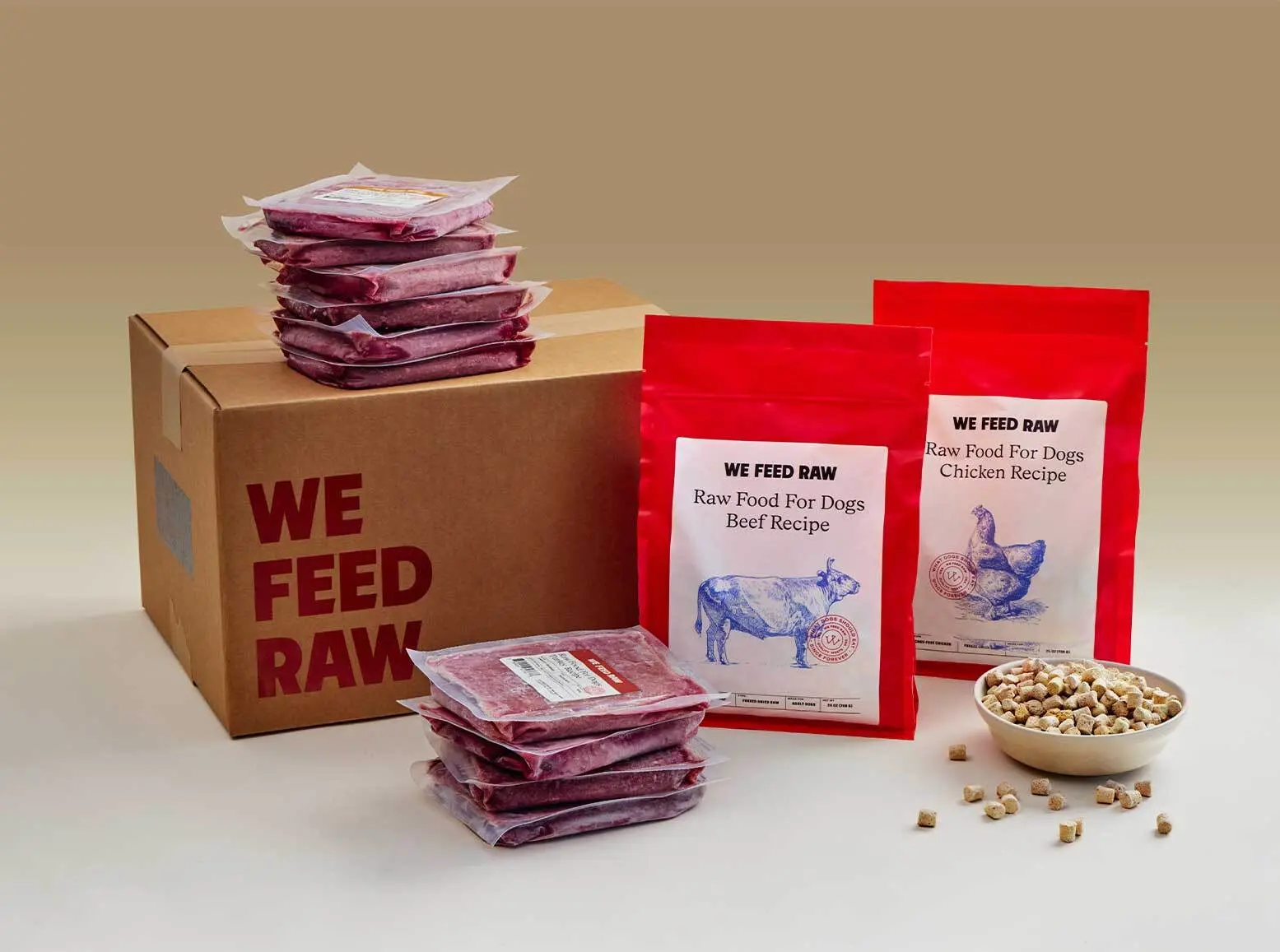
•Convenient Delivery Options: We Feed Raw delivers frozen, pre-portioned raw meals straight to your door. You simply keep the patties in your freezer, thaw them in the refrigerator, and serve. For added convenience during travel or training, We Feed Raw also offers shelf-stable freeze-dried raw options that require no freezing.
Why Choose We Feed Raw for Your Dog's Sensitive Stomach?
At We Feed Raw, our subscription-based raw meal plans are formulated by a PhD animal nutritionist to provide maximum digestibility with minimal ingredient complexity. By removing starchy fillers, synthetic binders, and artificial additives, our pre-portioned meals eliminate kitchen guesswork and deliver lasting digestive relief.
Taking our quick meal plan quiz allows you to customize a raw diet tailored specifically to your dog's age, breed, weight, and sensitive stomach needs.
Our Meals Change Lives.
(Theirs + Yours.)
See health improvements from our raw meals in as little as 1 week.
Find your dog's perfect plan


