


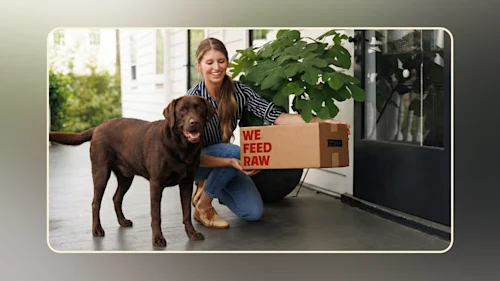


The Best Raw Diet for Labrador Retriever Puppies and Adults
Table of Contents
- Is Raw Dog Food Good for Labrador Retrievers?
- What Are the Benefits of Raw Feeding for Labradors?
- How Much Raw Dog Food Should a Labrador Eat?
- Is Raw Dog Food Safe for My Labrador and My Family?
- Why Is We Feed Raw Best for Labradors?
- How to Start Raw Feeding Your Labrador Retriever
- Choose We Feed Raw for Your Lab Today
- Frequently Asked Questions About Raw Dog Food for Labrador Retrievers
Raw dog food for Labrador Retrievers is a nutrient-dense, species-appropriate diet that focuses on high-quality animal proteins, healthy fats, and essential minerals found in muscle meat, organ, and bone.
This type of nutrition supports the high energy requirements of the breed while helping to prevent common issues such as obesity, joint inflammation, and skin allergies.
Whether you're looking for a beginner's guide to raw dog food or recommendations on a specific brand, keep reading for everything you need to know about raw dog food for Labrador Retrievers.
Is Raw Dog Food Good for Labrador Retrievers?
Yes, raw dog food is exceptionally good for Labrador Retrievers because it aligns with their biological design as facultative carnivores.
These dogs possess a short, highly acidic digestive tract meant to process animal protein and fat efficiently rather than breaking down heavy starches. By feeding a diet that mirrors what their ancestors ate in the wild, you provide the building blocks for a strong immune system and optimal organ function.
Labradors are one of the most popular breeds in the world, known for their friendly nature and athletic ability. However, their high food motivation often leads to dietary indiscretion or overconsumption of low-quality fillers found in kibble.
A raw diet provides calorie-dense nutrition that keeps them satisfied longer, ensuring they receive all necessary vitamins and minerals without the "empty" calories of processed carbohydrates.
What Are the Benefits of Raw Feeding for Labradors?
The benefits of raw feeding for Labradors include better weight control, improved joint mobility, and a significant reduction in skin irritation. Because raw food is highly bioavailable, your dog’s body can utilize almost every nutrient, which results in more energy and smaller, firmer stools.
When you switch your Lab to a raw diet, you are likely to see several physical and behavioral improvements, including:
•Enhanced Muscle Tone: High-quality animal protein supports lean muscle development.
•Superior Dental Health: Raw meat and bone contain natural enzymes that help prevent plaque and tartar buildup.
•Reduced Body Odor: Eliminating fillers and artificial additives often leads to a cleaner-smelling dog.
•Sustained Energy: Stable blood sugar levels prevent the "energy crashes" associated with high-carb foods.
Why Is a Raw Diet Superior for Weight Management in Labs?
A raw diet is superior for weight management because it focuses on protein and fat for energy instead of the starches and sugars found in traditional dog food.
Labrador Retrievers are genetically predisposed to obesity, often possessing a gene mutation that affects their satiety signals. This makes them prone to overeating and rapid weight gain.
Our zero-carb approach ensures that your Lab isn't consuming the "hidden sugars" that lead to fat storage. By providing a diet rich in bioavailable protein, your dog feels full and satisfied with smaller portions.
Maintaining a lean body condition is the single most important factor in extending the lifespan of a Labrador.
Does Raw Dog Food Support Joint Health in Large Breeds?
Raw dog food supports joint health by providing natural, bioavailable sources of glucosamine, chondroitin, and omega-3 fatty acids. These nutrients are essential for maintaining healthy cartilage and reducing the systemic inflammation that leads to arthritis.
As a large, active breed, Labradors often face joint-related challenges such as hip and elbow dysplasia. A raw diet helps keep the joints lubricated and resilient, allowing your Lab to stay active well into their senior years.
Unlike synthetic supplements often added to kibble (which can lose potency during high-heat processing), the joint-supporting compounds in raw meat and bone remain fully intact.
How Does a Raw Diet Improve a Labrador's Skin and Coat?
A raw diet improves a Labrador's skin and coat by supplying high levels of essential fatty acids that promote a thick, water-repellent coat and hydrated skin.
Labradors are known for their dense double coats, which require significant nutritional support to remain healthy. When a dog consumes a diet high in fillers, they often develop dull fur, flaky skin, and hot spots.
The natural oils found in raw animal fat provide the necessary lipids to maintain the skin’s barrier function. This reduces the likelihood of environmental allergens causing irritation.
Most owners report that their Lab’s coat becomes significantly shinier and softer within just a few weeks of making the switch to raw.
How Much Raw Dog Food Should a Labrador Eat?
An adult Labrador should typically eat between 2% and 3% of their ideal adult body weight daily, split into two meals. However, because Labradors have varying activity levels (ranging from couch potatoes to high-performance hunting dogs), it is important to adjust their intake based on their individual metabolism.
If your Lab needs to lose weight, you should feed them based on their "target" weight rather than their current weight. Conversely, highly active working dogs may require up to 4% of their body weight to maintain their muscle mass.
Regularly feeling for your dog's ribs and checking their waistline is the best way to ensure you are feeding the correct amount.
How Do You Calculate Portions for a Growing Labrador Puppy?
Calculating portions for a growing Labrador puppy requires a different approach because they need significantly more calories per pound than adults. Puppies generally need to eat between 4% and 10% of their current body weight daily, depending on their age and growth stage.
For large-breed puppies like Labs, controlled growth is essential. If a puppy grows too fast, it can put undue stress on their developing skeletal system, increasing the risk of orthopedic issues.
Our PhD animal nutritionist-formulated frozen recipes are balanced specifically to support the growth of large-breed dogs, ensuring they get the right calcium-to-phosphorus ratio for steady, healthy development.
Please note that our freeze-dried recipes are formulated for adult dogs only.
What Is the Ideal Feeding Schedule for Active Adult Labradors?
The ideal feeding schedule for an active adult Labrador involves two meals per day, spaced about 12 hours apart. This helps keep their blood sugar stable and provides a consistent source of energy throughout the day.
For working Labs or those participating in dog sports, you may choose to feed a slightly smaller breakfast and a larger dinner to allow for proper digestion after physical exertion.
Consistency is key for Labradors, as they thrive on routine. Feeding at the same time each day also helps regulate their bathroom schedule. Because our raw food is so digestible, you will notice that their bathroom breaks become much more predictable and easier to manage.
Is Raw Dog Food Safe for My Labrador and My Family?
Raw dog food is safe for your Labrador and your family when it is sourced and handled with the same care you would use for your own food. While some people worry about the risk of bacteria, it is important to remember that a dog's digestive system is biologically equipped to handle pathogens that might affect humans.
To ensure maximum safety, we recommend following standard food safety protocols, such as washing your hands, cleaning your dog’s bowl after every meal, and keeping the food frozen until you are ready to thaw it for use.
By choosing a reputable commercial raw food, you eliminate many of the risks associated with "DIY" raw feeding.
Does We Feed Raw Use a Kill Step for Safety?
Yes, we use cold-pressure pasteurization as a "kill step" on all of our recipes to ensure they are safe for your household. While we believe in the power of raw nutrition, we also prioritize the health and safety of the families we serve. This process allows us to eliminate harmful pathogens without the need for high heat.
Many people are surprised to learn that raw food can be safety-processed while remaining raw. This distinction is what makes our food a trusted choice for thousands of pet owners who want the benefits of a raw diet without the worry of bacterial contamination.
How Does High-Pressure Processing Protect Against Salmonella and E. coli?
Our high-pressure processing (HPP) protects against Salmonella, Listeria, and E. coli by using extreme water pressure to neutralize these pathogens. The pressure is so intense that it physically collapses the cell walls of the bacteria, effectively killing them.
Because high-pressure processing is a cold-water process, it does not cook the meat. This means the delicate enzymes and vitamins, which are often destroyed in kibble or "fresh-cooked" diets, remain intact and bioavailable. Your Lab gets all the benefits of a raw, ancestral diet with the same safety profile as cooked food.
Why Is We Feed Raw Best for Labradors?
We Feed Raw’s PhD animal nutritionist-formulated food is best for Labs because it is designed to address the specific metabolic and physiological needs of the breed. We don't just put meat in a box: we create precisely balanced recipes that ensure your dog receives the correct ratios of amino acids, fatty acids, and minerals.
Labrador retrievers require a careful balance of nutrients to support their heart health and prevent joint issues. By using a science-based approach to formulation, we provide a diet that helps your dog thrive from puppyhood through their golden years.
Who Formulates Our Raw Dog Food Recipes?
Our raw dog food recipes are formulated by a PhD animal nutritionist with over 40 years of experience in the industry. This level of expertise ensures that our food meets the rigorous AAFCO standards for complete and balanced nutrition.
Having a dedicated expert lead our formulation process means every ingredient serves a purpose. We don't use fillers or "marketing" ingredients that look good to humans but offer no value to the dog. Every patty we produce is backed by decades of nutritional research.
Why Do We Use a Legume-Free and Zero-Carb Approach?
We use a legume-free and zero-carb approach because these ingredients are often the root cause of inflammation, weight gain, and digestive upset in dogs. Many modern dog foods use peas, lentils, or chickpeas as a cheap protein source, but these legumes have been linked to various health concerns and are not a natural part of a canine diet.
By focusing purely on animal-based nutrition, we help your Labrador stay lean and energetic. A zero-carb diet is particularly beneficial for Labs because it keeps their insulin levels low, which is essential for preventing obesity and managing inflammatory conditions like skin allergies.
How to Start Raw Feeding Your Labrador Retriever
Starting your Labrador Retriever on a raw diet is a straightforward process that begins with choosing the right product for your lifestyle and transitioning your dog slowly.
Most Labradors are enthusiastic eaters, making the switch to raw one of the easiest changes you can make for their health.
We offer several options to help you tailor the diet to your dog's needs. Between the convenience of our home delivery and the versatility of our varied protein sources, we have a plan that will work for you.
Should You Choose Our Frozen Patties or Freeze-Dried Recipes?
Choosing between our frozen patties and freeze-dried recipes depends on your dog's age and your storage preferences:
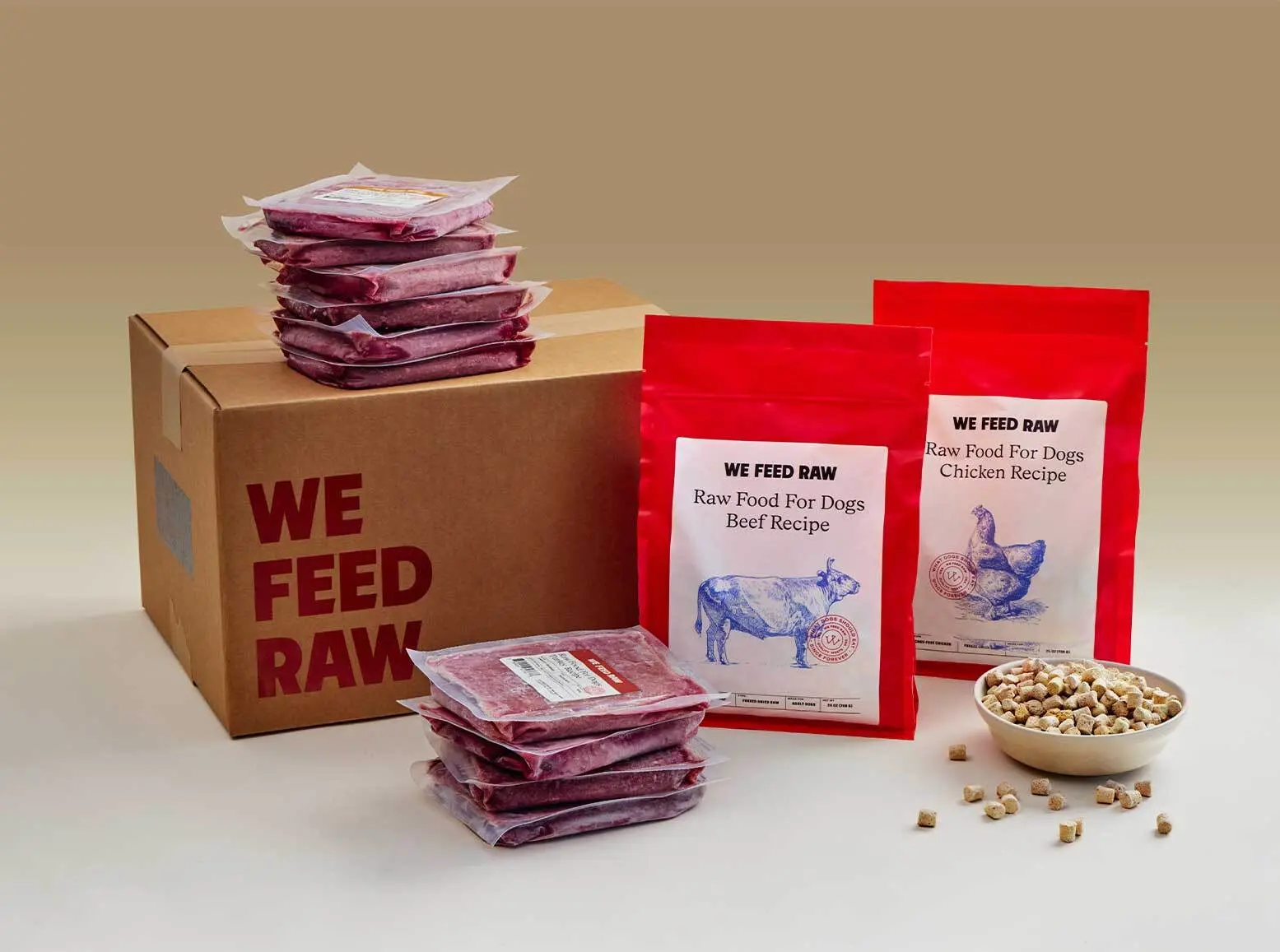
•Our frozen patties are the ultimate ancestral meal, providing high moisture content and a perfect 80/10/10 ratio of muscle, organ, and bone for all life stages.
•Our freeze-dried recipes are an excellent, shelf-stable choice for adult dogs. These recipes contain muscle meat, organ, and non-GMO fruits and vegetables (an 85/15 ratio).
Many owners find that our freeze-dried food is perfect for traveling, using as a topper, or for dogs who prefer a different texture. Both options provide the high-quality, PhD animal nutritionist-formulated nutrition that we are known for.
How Do You Transition a Labrador to Raw Food Safely?
The best way to transition a Labrador to raw food safely is to move slowly over the course of about 10 days. While Labradors often have "stomachs of steel," their gut microbiome needs time to adjust to the high density of raw nutrients.
We recommend this transition schedule:
•Days 1 to 3: Feed 25% raw food and 75% of their old food.
•Days 4 to 6: Feed 50% raw food and 50% of their old food.
•Days 7 to 9: Feed 75% raw food and 25% of their old food.
•Day 10: Your Lab is now ready for 100% raw meals!
During this transition, monitor your dog's stool. It is normal to see some slight changes as their body detoxifies from the starches in their previous diet.
Choose We Feed Raw for Your Lab Today
Your Labrador Retriever deserves a diet that supports their adventurous spirit and long-term health. By choosing We Feed Raw, you are investing in a PhD animal nutritionist-formulated, safety-processed, and species-appropriate meal plan that takes the guesswork out of feeding.
We make it easy to give your Lab the very best. With our personalized subscription model, we calculate your dog's portions and deliver them directly to your door. Join the thousands of pet parents who have seen their Labradors transform on a raw diet.
Take our quiz now for your pup’s personalized meal plan.
Frequently Asked Questions About Raw Dog Food for Labrador Retrievers
Is raw food safe for Labrador puppies?
Yes, our frozen patties are formulated for all life stages, including the growth of large-breed puppies like Labs. It provides the precise calcium-to-phosphorus ratio needed for safe, controlled growth.
Will a raw diet help my Lab lose weight?
Yes, the high-protein, zero-carb nature of our frozen raw food is the most effective way to help a Labrador lose weight and maintain a lean body condition.
How much does it cost to feed a Lab a raw diet?
The cost varies based on your dog's weight and activity level. Because raw food is so nutrient-dense, many owners find it to be a valuable investment that leads to fewer vet visits for allergies and joint issues.
Can I mix raw food with my Labrador's current kibble?
Yes, you can use our raw food as a topper or mixer with kibble. However, for the maximum health benefits, we recommend a 100% raw diet.
What are the best proteins for Labs with sensitive stomachs?
For Labs with sensitive stomachs, we often recommend starting with a single, lean protein source like turkey to see how their digestive system responds.
Our Meals Change Lives.
(Theirs + Yours.)
See health improvements from our raw meals in as little as 1 week.
Find your dog's perfect plan


