





What's the Best Dog Food for Sensitive Skin and Allergies?
Table of Contents
- What Are Skin Allergies in Dogs?
- What Are the Symptoms of Skin Allergies in Dogs?
- What Are the Causes of Skin Allergies in Dogs?
- Can Food Cause Skin Allergies in Dogs?
- What Is the Difference Between a Food Allergy and a Food Sensitivity in Dogs?
- What Are Foods That Commonly Cause Skin Allergies in Dogs?
- Can Nutritional Deficiencies Cause Skin Issues in Dogs?
- Can Environmental Factors Cause Sensitive Skin in Dogs?
- What Makes a Great Sensitive Skin Dog Food?
- What Are the Best Dog Food Brands for Dogs With Allergies?
- What Is the We Feed Raw Advantage for Skin Health?
- What Is the Top We Feed Raw Pick for Sensitive Skin?
- How Long Will It Take to See Results?
- How Can I Soothe Allergy Symptoms at Home?
- Why Should You Choose We Feed Raw for Dog Skin Allergies?
The best dog food for sensitive skin and allergies is a limited-ingredient, low-carbohydrate raw diet centered on novel proteins and rich in anti-inflammatory omega fatty acids. Traditional commercial kibble frequently contains starchy filler ingredients that trigger systemic immune overreactions and weaken the coat.
Transitioning your pet to a species-appropriate fresh diet eliminates these triggers and teaches you how to treat dog allergies at home alongside a diet change to ensure your dog finds relief as quickly as possible.
PhD animal nutritionist Dr. Richard Patton states, "A balanced raw diet is the first remedy to try for any skin condition."
What Are Skin Allergies in Dogs?
In dogs, a skin allergy is a reaction to an allergen where the immune system overreacts to one or more triggers. This overreaction typically leads to a pup suffering from itchy, inflamed, or even painful skin.
What Are the Symptoms of Skin Allergies in Dogs?
Common signs that your dog may be experiencing a skin allergy include:
•Excessive itching or paw-licking
•Skin redness or hotspots
•Developing rashes or scabs
•Ear infections
•Hair loss
If your pup is exhibiting any of these common symptoms, we recommend contacting your veterinarian to discuss potential treatment options.
What Are the Causes of Skin Allergies in Dogs?
Skin allergens in dogs could be caused by numerous factors, such as:
•Food allergies or nutritional deficiencies
•Environmental allergens
•Flea allergy dermatitis
Can Food Cause Skin Allergies in Dogs?
Yes. Food allergies in dogs can develop at any stage of life, whether your pup is still young or more mature. Although you’ll typically notice food allergies in younger dogs, they can develop over time, so your pup may be fine for years before displaying symptoms. These types of allergies are on the rise, responsible for one-fourth of skin reactions in dogs.
Food allergies are commonly linked to fillers and highly refined grains in ultra-processed kibble. As dog food becomes more processed over time, we are more likely to see food allergies become more prevalent.
What Is the Difference Between a Food Allergy and a Food Sensitivity in Dogs?
Food allergies occur when your dog’s immune system has a negative reaction to an ingredient, whereas a sensitivity affects your pup’s digestive system. With food sensitivity, they’re more likely to experience digestive issues rather than skin issues.
So, if your dog’s sensitive skin is caused by their diet, they are likely experiencing an allergic reaction to something in their food. One common example for humans and pets is being lactose intolerant. Having milk in these cases wouldn’t be an issue for the immune system (or skin), but it would be for the digestive system.
What Are Foods That Commonly Cause Skin Allergies in Dogs?
While any food can cause skin allergies in dogs, the most common food allergy triggers in dogs are:
•Dairy
•Eggs
•Lamb
•Pork
•Rice
•Soy
•Wheat
•Beef
•Chicken
Can Nutritional Deficiencies Cause Skin Issues in Dogs?
Yes, nutritional deficiencies can cause skin issues in dogs.
Rather than being allergic or sensitive to specific food ingredients, the nutrients your dog is (or isn’t) getting daily may also be leading to the symptoms they’re experiencing. Many types of kibbles contain only the bare minimum number of fatty acids, which are essential for a healthy skin and coat.
Kibble also commonly requires high carbohydrates to form crunchy bits. Those levels could trigger inflammation as well as dry, irritated, or itchy skin. Monitoring the ingredients in your pup’s kibble will not only positively affect their long-term health, but it can also relieve existing side effects.
Can Environmental Factors Cause Sensitive Skin in Dogs?
Yes. Although food is responsible for 10-20% of all allergies in dogs, the most common type of allergic reaction is to seasonal allergens like dust, grass, mold, pollen, and weeds. We typically can’t eliminate exposure to these allergens, but there are foods that can be added to your pup’s diet to help provide some relief.
Feeding a diet rich in omega-3s, antioxidants, and anti-inflammatory nutrients can strengthen your dog’s immune system and improve skin health.
How Can I Distinguish Environmental vs Food Allergy Skin Symptoms in Dogs?
If a veterinarian hasn’t tested your dog for specific allergies and you’re wondering how to determine if your dog’s skin issues are caused by an environmental allergy or a food allergy, look at the timing of their symptoms. If skin issues persist year-round or seem to worsen after meals, food could be the underlying cause.
You could also change your dog’s diet to a fresh, raw single-protein food (avoiding common food allergens like chicken, pork, beef, and lamb) for 8-12 weeks to see if symptoms improve. If symptoms remain, an environmental allergy is more likely to blame than a food allergen.
Can Flea Allergy Dermatitis Cause Sensitive Skin in Dogs?
Yes, skin allergies in dogs can be caused by Flea Allergy Dermatitis (FAD). This is when a flea bites your dog, creating intense itchiness near the base of their tail and back.
Thankfully, FAD can be avoided with preventative treatment and easily eliminated if contracted. Your pup’s skin irritation could also be a reaction to any products you use while grooming them. You may want to try a hypoallergenic option to evaluate if it leads to improvement.
What Makes a Great Sensitive Skin Dog Food?
When evaluating options, you should look for recipes that prioritize simplicity and nutrient density. Most commercial kibbles are loaded with binders, starches, and artificial additives that can aggravate an already sensitive system.
The best dog food for sensitive skin typically features:
•Novel Proteins: Common allergens like chicken and beef are often the culprits. Switching to a "novel" protein (one your dog hasn't eaten before, such as turkey, duck, or lamb) can stop the immune system's overreaction.
•Omega-3 and Omega-6 Fatty Acids: These are essential for reducing inflammation and nourishing the skin. Look for sources like fish oil or flaxseed.
•Limited Ingredients: The fewer ingredients in the food, the fewer chances there are for a reaction.
•Zero Fillers: Avoiding corn, wheat, soy, and artificial preservatives is a must for allergy-prone dogs.
Dr. Katie Woodley notes: "I’ve seen raw-fed dogs thrive with shinier coats, healthier skin, better dental health, and fewer chronic issues like allergies and digestive upset. I’m very particular about which brands I recommend and one of the companies I trust is We Feed Raw."
What Are the Best Dog Food Brands for Dogs With Allergies?
The best dog food brands for dogs with allergies offer single-source novel animal proteins, eliminate high-glycemic carbohydrates and artificial additives, and prioritize minimally processed, species-appropriate ingredients.
While many commercial pet food brands market "hypoallergenic" or prescription kibbles, these dry diets often rely on heavily processed plant starches, hydrolyzed proteins, and synthetic binders that fail to resolve underlying gut inflammation.
We Feed Raw stands out as the premier choice for allergic dogs by providing complete, single-protein raw meals that remove common allergen triggers while restoring skin barrier resilience from the inside out.
When evaluating dog food brands for a pup suffering from chronic itching, red paws, or recurring ear infections, the best options share several essential characteristics:
•Zero Fillers and Carbohydrates: Grains, potatoes, peas, and lentils break down into simple sugars that feed Malassezia yeast in the gut and on the skin. High-quality allergy brands avoid these cheap fillers entirely.
•Intact, Unheated Nutrients: High-heat extrusion damages natural omega fatty acids, zinc, and vitamin E, which are the exact building blocks your dog needs to heal dry, inflamed skin. Minimally processed brands preserve these delicate nutrients in their natural state.
•Validated Safety and Quality Standards: The best brands utilize human-grade ingredients and employ non-thermal food safety methods, such as high-pressure processing, to neutralize pathogens without cooking out vital nutrition.
Why Commercial Prescription Diets Often Fall Short
Many conventional veterinarians recommend hydrolyzed protein kibbles for dogs suspected of having cutaneous adverse food reactions. While these formulas break proteins down into smaller fragments so the immune system is less likely to recognize them, they do not always address the root cause of chronic inflammation.
Most prescription allergy kibbles are heavily processed and contain high levels of carbohydrates sourced from corn starch, brewer's rice, or soybean meal. These high-glycemic ingredients can disrupt the delicate canine gut microbiome, leading to intestinal dysbiosis and recurring yeast overgrowth that keeps the itch-scratch cycle alive.
Why We Feed Raw Is the Top Choice for Allergic Dogs
We Feed Raw provides a clean, ancestral alternative to ultra-processed allergy diets.
Formulated by a PhD animal nutritionist to meet AAFCO standards, our recipes make managing canine allergies simple, transparent, and effective:
•Pure Single-Protein Options: We Feed Raw offers distinct, single-protein frozen recipes (including turkey, beef, and chicken), making it effortless to run a clean 8-to-12-week elimination diet and identify your dog's specific protein triggers.
•100% Zero-Carb Purity: Our frozen patties contain zero grains, potatoes, peas, legumes, or artificial preservatives, effectively cutting off the fuel supply for chronic yeast infections.
•Natural Skin-Barrier Repair: By delivering raw muscle meat, organs, and finely ground bone, our meals provide unheated omega-3 and omega-6 fatty acids, bioavailable zinc, and active enzymes that rebuild damaged skin tissue.
•Cold-Water Safety: Every recipe undergoes high-pressure processing to ensure complete pathogen safety without heat, providing pet parents with peace of mind.
What Is the We Feed Raw Advantage for Skin Health?
At We Feed Raw, we believe that nature provides the best medicine. Our recipes are formulated by a PhD animal nutritionist with over 40 years of experience specifically to support a dog’s biological needs. Our advantage includes:
•Unmatched Simplicity: Our frozen raw patties follow a strict Prey Model Raw philosophy. They consist of 80% muscle meat, 10% organ meat, and 10% finely ground bone. Because we completely avoid grains, legumes, or starchy binders, our frozen line serves as the absolute gold standard for a clean elimination diet.
•Safety Without Heat: Many fresh food brands gently cook their meals, which denatures the delicate enzymes and structural nutrients your dog needs for cellular skin repair. We utilize high-pressure processing (HPP), which is a form of cold-pressure pasteurization, to ensure our food is as safe as gently cooked alternatives while keeping it 100% raw and bioavailable.
What Is the Top We Feed Raw Pick for Sensitive Skin?
Our turkey recipe is an excellent choice for dogs with sensitivities to beef or chicken. It is a single-protein option that includes only turkey meat, gizzards, bone, and liver, as well as flaxseed, zinc sulfate, vitamin E supplement, manganese sulfate, vitamin D3 supplement, salt, and kelp.
As Dr. Richard Patton points out, "Kelp is a great natural food, rich in trace minerals that help support thyroid function, immunity and overall health."
Turkey is naturally rich in zinc and B vitamins, which are critical for maintaining a healthy skin barrier and supporting immune function.
Please note that our duck recipe contains turkey and our lamb recipe contains beef. These additions help our food reach the optimal levels of protein and fat, but they may not be ideal for dogs dealing with unknown food allergies.
Can You Feed a Freeze-Dried Diet for Sensitive Skin?
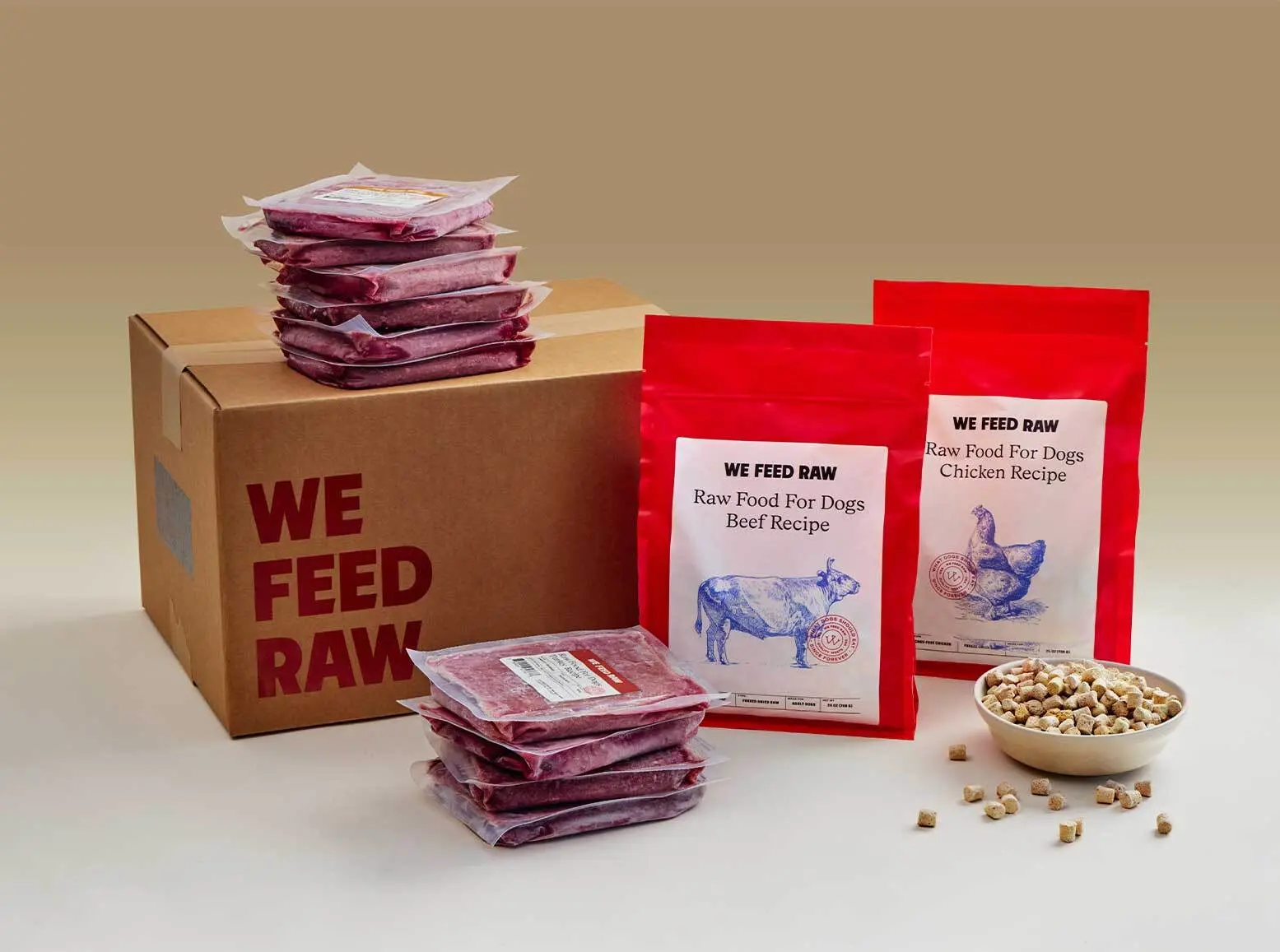
Yes, our shelf-stable freeze-dried chicken and beef recipes offer an excellent, mess-free alternative for adult dogs with sensitive skin.
Formulated with an 85/15 ratio of premium animal proteins to non-GMO produce, our freeze-dried recipes deliver raw, un-denatured fatty acids and essential minerals without the need for freezer storage, making them perfect as a complete meal or a healthy kibble topper.
How Long Will It Take to See Results?
The skin is the largest organ in the body, and it takes time for it to regenerate. While every dog is different, most pet parents begin to notice a decrease in redness and licking within 2 to 4 weeks of switching to a raw, limited-ingredient diet. However, for a full coat transformation and the complete resolution of chronic "hot spots," it typically takes 8 to 12 weeks.
Patience is key. During this time, it is vital to be strict—even one high-starch treat or a scrap of table food can trigger a flare-up and reset the clock on your dog's progress.
How Can I Soothe Allergy Symptoms at Home?
While changing your dog's diet is the most effective long-term solution, your dog may need immediate relief from the itching while their body heals. Here are a few ways to soothe sensitive skin from the outside in:
•Colloidal Oatmeal Baths: This is a classic remedy for a reason. Oatmeal has anti-inflammatory properties that can provide instant relief from itching and redness.
•Coconut Oil Massages: Massaging a small amount of virgin coconut oil onto dry, flaky patches can help moisturize the skin and provide a protective antibacterial barrier.
•Use a Humidifier: If you live in a dry climate or run your heater frequently, the air can sap moisture from your dog's skin. A humidifier helps maintain the skin's natural moisture levels.
•Regular Grooming: Brushing your dog daily helps distribute natural oils across the coat and removes environmental allergens like pollen or dust that may be trapped in their fur.
Why Should You Choose We Feed Raw for Dog Skin Allergies?
Choosing a dog food for sensitive skin doesn't have to be a guessing game. By prioritizing raw, species-appropriate nutrition and avoiding the fillers found in processed kibble, you are giving your dog's immune system the break it needs to heal.
We Feed Raw ensures your dog gets the nutrient-dense, safe, and simple food they need to thrive.
Ready to see your dog's coat shine again? Take our quiz today to build a personalized meal plan tailored to your dog's specific allergies and needs.
Our Meals Change Lives.
(Theirs + Yours.)
See health improvements from our raw meals in as little as 1 week.
Find your dog's perfect plan


