





Is Raw Dog Food Cheaper Than Vet Bills for Chronic Conditions?
Table of Contents
- What Are the Hidden Costs of Managing Chronic Dog Health Issues?
- How Much Does It Cost to Treat IBD or Allergies in Dogs Annually?
- What Does the Research Say About Raw Feeding and Chronic Health Issues?
- Why Does Raw Feeding Shift a Vet Budget to a Feeding Budget?
- Is Raw Dog Food More Expensive Than Prescription Kibble?
- How Long Does It Take to See Financial Savings After Switching to Raw?
- Investing in Your Dog’s Long-Term Vitality
- Frequently Asked Questions (FAQs)
While raw dog food has a higher upfront cost than standard kibble, it often reduces the total cost of pet ownership by minimizing expensive diagnostic tests, prescription medications, and emergency vet visits. For dogs with chronic issues like IBD or allergies, switching to a raw diet shifts your spending from a reactive veterinary budget to a proactive feeding budget.
Choosing the right nutrition is one of the most significant financial decisions a pet parent can make. Many owners are discovering that a raw dog food diet supports all life stages by providing the biological foundation necessary for health.
When you invest in high-quality ingredients, you are often buying back your dog's health and reducing the long term financial burden of managing chronic illnesses.
What Are the Hidden Costs of Managing Chronic Dog Health Issues?
When a dog suffers from chronic conditions, the true cost of care is rarely reflected in the price tag on their food. Instead, it is buried in the receipts from the veterinary clinic.
Managing issues like Inflammatory Bowel Disease (IBD), chronic colitis, or severe environmental allergies is often a cycle of reactive medical care:
•Diagnostic loops and GI panels: Chronic digestive issues often require extensive blood work, fecal exams, and specialized gastrointestinal panels to rule out parasites or infections. These tests can cost hundreds of dollars per visit.
•Prescription medications and steroids: Many dogs with chronic inflammation rely on daily medications, such as Apoquel for itching or Prednisone for inflammation. These recurring costs add up to thousands of dollars over the dog's lifetime.
•Emergency visits for acute flare-ups: Conditions like colitis or IBD are prone to sudden, severe episodes. An emergency vet visit for dehydration or uncontrolled diarrhea can easily exceed the cost of several months of premium raw food.
•Professional maintenance services: Chronic health issues often manifest in ways that require professional intervention, such as frequent anal gland expressions or dental cleanings due to the high starch content in processed kibble.
How Much Does It Cost to Treat IBD or Allergies in Dogs Annually?
For many pet parents, the cost of managing a sick dog is a constant source of stress. If you are following the ultimate guide to feeding dogs with skin allergies, you know that the "cheap" bag of kibble often ends up being the most expensive choice in the long run.
•A dog with chronic allergies might require monthly allergy shots costing $100 or more, plus specialized shampoos and antibiotics for secondary skin infections.
•A dog with IBD might be on a prescription kibble that costs nearly as much as raw food, but still requires regular GI monitoring and blood work to manage flare-ups.
When you add up diagnostic testing, specialty vet visits, and daily medications, the yearly cost of care for a "sensitive" dog can easily reach $3,000 to $5,000. In contrast, even a premium raw diet for a medium-sized dog typically costs significantly less than that total veterinary burden.
What Does the Research Say About Raw Feeding and Chronic Health Issues?
Scientific studies are increasingly confirming what raw feeders have known for years. The impact of a raw diet on chronic conditions is not just anecdotal; it is backed by data from leading research institutions:
•Lower risk of skin allergies: A study published in the Wiley Online Library found that puppies fed a raw diet were significantly less likely to develop skin allergies as adults. Investing in raw food early can prevent a lifetime of expensive allergy treatments.
•Reduced ear infections: Research in Frontiers in Veterinary Science indicated that raw-fed puppies had a lower incidence of chronic ear infections later in life.
•Superior digestibility: Research highlighted by Petfood Industry shows that raw and fresh dog foods significantly outperform extruded kibble in nutrient digestibility. High digestibility means less waste and better nutrient absorption for dogs with sensitive stomachs.
•The DogRisk study findings: The University of Helsinki's DogRisk research group has spent years studying the link between diet and disease. Their findings consistently suggest that fresh, raw foods can reduce the risk of many chronic illnesses that currently drain pet owners' bank accounts.
Why Does Raw Feeding Shift a Vet Budget to a Feeding Budget?
The primary goal of raw feeding is to move away from reactive medicine and toward proactive wellness. When you feed a biologically appropriate diet, you are essentially paying your dog's "health insurance" through their bowl.
This is a primary reason many vets now recommend a raw food diet for dogs as a front-line approach to health. By providing high-quality animal protein and fats without the starchy fillers found in kibble, you reduce systemic inflammation.
For a dog with a sensitive gut, this means fewer flare-ups and fewer expensive visits to the vet for "metronidazole and fluids" treatment. You are spending more on food but significantly less on the "fix."
Reducing the Stress of Reactive Veterinary Care
Beyond the financial savings, there is a massive emotional benefit.
Chronic health issues are exhausting. Constantly monitoring your dog's stool, checking for new hot spots, and worrying about the next $400 vet visit takes a toll.
Shifting to a raw diet provides the peace of mind that comes with knowing exactly what is in your dog's food.
The Simplicity of Species-Appropriate Nutrition
When you understand how raw feeding supports gut health, the financial benefits become clear. A healthy gut is the foundation of the immune system. When the gut is strong, the body can better manage environmental triggers, leading to fewer infections and a more resilient dog.
Is Raw Dog Food More Expensive Than Prescription Kibble?
Many people are surprised to learn that high-end prescription kibble is often priced similarly to commercial raw food.
However, the nutritional value is vastly different. Prescription diets are often filled with corn, wheat, or hydrolyzed proteins that provide the bare minimum of nutrition while managing symptoms.
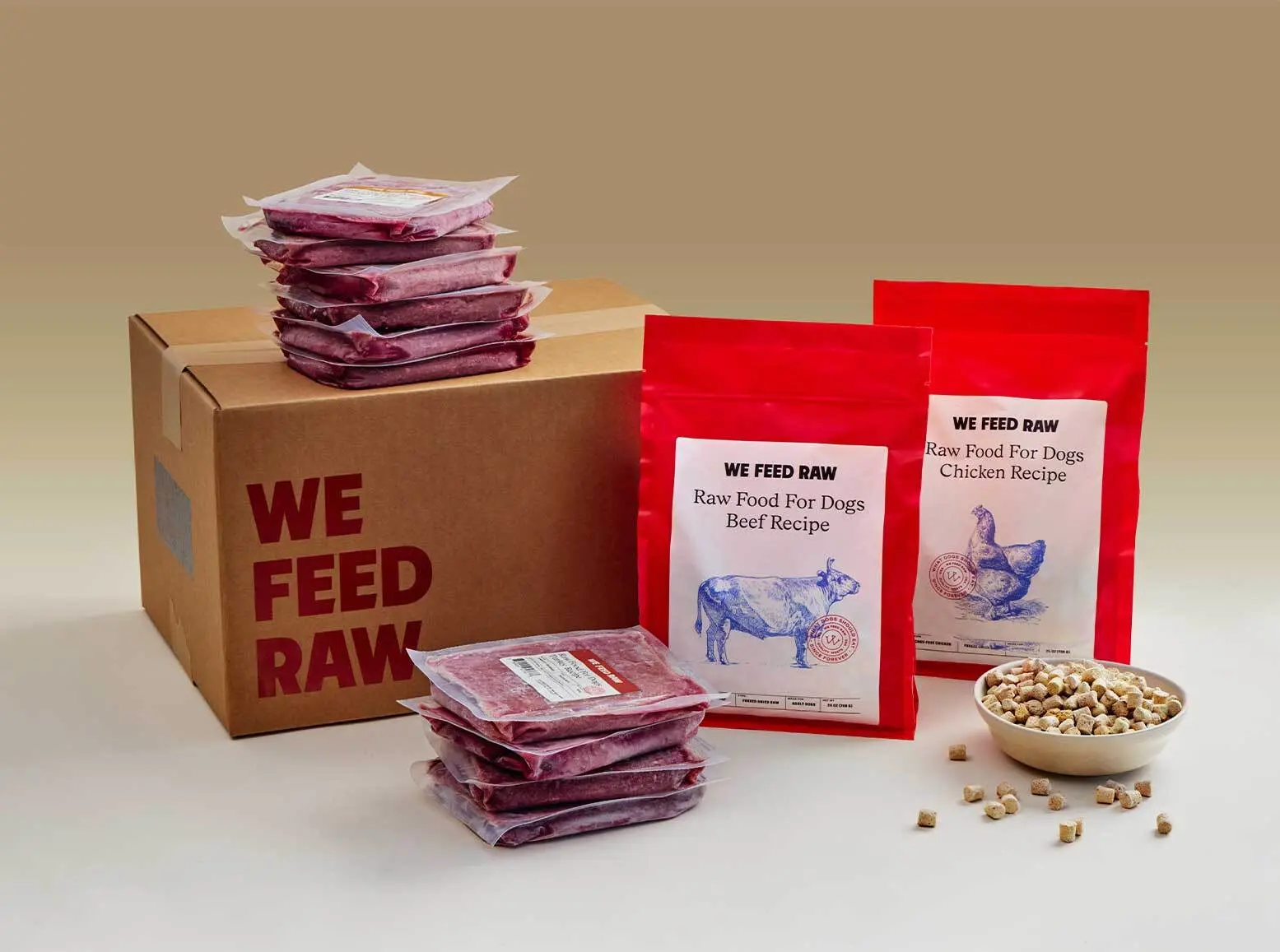
We Feed Raw provides a nutritionally complete, PhD-formulated diet that focuses on total health. Our food undergoes high-pressure processing (HPP), a form of cold-pressure pasteurization.
This process ensures our meals are as safe as gently cooked alternatives while maintaining 100% raw integrity.
Our easy-peel packaging makes feeding raw just as convenient as opening a bag of kibble. When you consider that you are getting human-grade meats and a scientifically balanced formula, the value of raw food far exceeds that of a processed, starch-heavy prescription diet.
How Long Does It Take to See Financial Savings After Switching to Raw?
While every dog is different, most pet parents notice improvements in digestion and energy within the first two to four weeks. For chronic skin issues, it may take 8-12 weeks for the coat to fully regenerate.
Financial savings usually follow health improvements. As flare-ups become less frequent and skin infections resolve, the need for diagnostic testing and daily medications drops.
Over a dog's lifetime, the savings on veterinary care can amount to tens of thousands of dollars, far outweighing the difference in food costs.
Investing in Your Dog’s Long-Term Vitality
At We Feed Raw, we believe that every dog deserves to thrive, not just survive. Managing chronic health issues shouldn't have to be a financial burden. By choosing a diet that supports your dog's natural biology, you are making a proactive investment in their longevity.
Ready to see how raw can transform your dog's health and your budget? Take our quiz today to get started on your dog's personalized meal plan.
Frequently Asked Questions (FAQs)
Is raw feeding really cheaper than vet visits?
For many dogs with chronic issues, yes. While the food itself costs more than kibble, you often save thousands of dollars on blood work, GI panels, allergy medications, and emergency visits for flare-ups.
Shifting your budget to high-quality food is a proactive way to manage long-term costs.
Can raw food help with IBD flare-ups?
Raw food is highly digestible and moisture-rich, which is exactly what a sensitive digestive tract needs.
Studies show that raw diets are easier to digest than kibble, reducing the frequency and severity of IBD symptoms and leading to fewer diagnostic tests and less stress.
Is raw food safe for a dog with a compromised immune system?
We use high-pressure processing (HPP) on all our meals. This cold-pressure pasteurization method inactivates pathogens like Salmonella and Listeria without heat. This makes our food as safe as gently cooked meat, providing safe nutrition for dogs that need it most.
Why is my vet recommending prescription kibble instead of raw?
Many veterinarians are trained with a focus on reactive medicine and are wary of raw food due to concerns about bacterial contamination in DIY diets.
However, professionally formulated, HPP-treated raw food provides a safe, balanced alternative that many vets now recommend for chronic health management.
How do I start the transition for a dog with chronic issues?
We recommend a slow transition over 7-10 days. Our easy-peel packaging and customized meal plans make it simple to monitor your dog's progress. Most owners see an improvement in stool quality and energy levels very quickly.
Our Meals Change Lives.
(Theirs + Yours.)
See health improvements from our raw meals in as little as 1 week.
Find your dog's perfect plan


