




Organic vs Fresh vs All-Natural Dog Food: Unpacking Pet Food Labels
Walking down the pet food aisle can feel like navigating a minefield of marketing terms designed to confuse you. Labels scream "Natural," "Fresh," and "Organic," all suggesting optimal health for your dog. Yet, these terms mean very different things under the law and, crucially, to your dog’s digestive system. Understanding the distinction between organic vs fresh vs all-natural dog food is essential for making the right dietary choice.
This comprehensive guide deciphers the true meaning behind these popular labels. We will show you where the industry standards stop and where true, species-appropriate nutrition begins, helping you confidently choose the best food for your companion.
Once you learn the basics, you'll understand why a raw food diet for dogs is the best choice for your pup.
What Does "All-Natural Dog Food" Really Mean?
The term "all-natural" is perhaps the most widely used—and potentially misleading—label in the pet food industry. It is the broadest of the three terms and serves as the easiest gateway for processed food companies to enter the premium market.
A Look at AAFCO’s Definition
The Association of American Feed Control Officials (AAFCO) establishes guidelines for pet food regulation. AAFCO defines "natural" as ingredients derived solely from plant, animal, or mineral sources. They also permit the inclusion of ingredients that have been subject to physical processing, heat processing, rendering, or fermentation.
The key is that the ingredients must not contain chemically synthetic additives, artificial flavors, or artificial colors.
The Caveat: Processing and Hidden Ingredients
The crucial takeaway is that the "all-natural" label speaks only to the source of the ingredient, not its quality or processing method. A food can be stamped "All-Natural" while still being highly processed:
•Heat Processing: An "all-natural" chicken ingredient can be ground, mixed with rice and corn, and then blasted with high heat via extrusion. This extreme processing alters the nutritional value and still requires synthetic supplements to be added back to meet AAFCO standards.
•Hidden Carbs: The label does not prohibit excessive amounts of carbohydrates, which are not species-appropriate for dogs and contribute to inflammation and obesity. Therefore, many "all-natural" kibbles remain high-carb and low-moisture diets.
For this reason, "all-natural" often functions as a basic marketing term rather than a definitive sign of superior nutrition. Our recipes are "all-natural" because we avoid any synthetic chemicals or artificial additives.
The Rigors of "Organic Dog Food"
The term "organic" is the most rigorous and legally defined label in the pet food industry. It pertains strictly to the farming practices used to produce the ingredients.
Defining USDA Organic Standards
The "Organic" label is governed by the United States Department of Agriculture (USDA) National Organic Program (NOP). Achieving this certification requires meeting extremely strict standards:
•For Meat: Animals must be raised in living conditions accommodating their natural behaviors, fed 100% organic feed and forage, and never administered antibiotics or hormones.
•For Produce: Fruits and vegetables must be grown without the use of most conventional pesticides, synthetic fertilizers, or genetic engineering (GMOs).
A product labeled "Organic" must contain at least 95% organically produced ingredients, excluding water and salt. This high bar provides pet parents with confidence in the purity of the ingredients used.
Why We Feed Raw Does Not Chase the Organic Label
While we use USDA-sourced, human-grade meats, we do not certify our entire line as organic. Our focus is on providing a diet that is species-appropriate first and foremost:
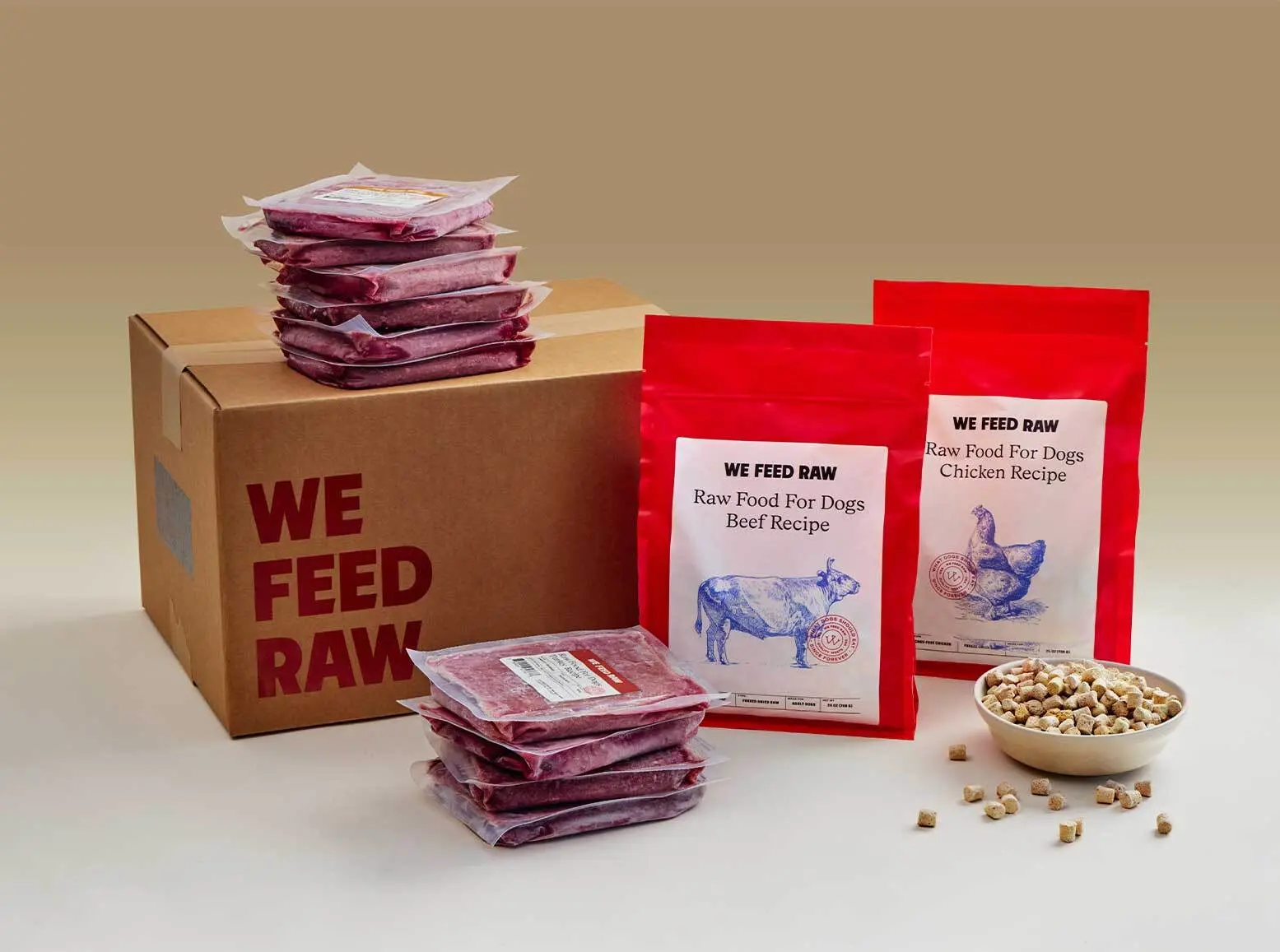
•Frozen Raw Recipes: Our primary frozen raw recipes follow the Prey Model Raw philosophy, focusing on meat, organs, and bone. These recipes contain zero fruits or vegetables. Since the organic label is most relevant to produce and animal feed, we prioritize the quality, safety, and human-grade status of the meat over the organic designation.
•Freeze-Dried Recipes: Our freeze-dried recipes do contain a small amount (15%) of non-GMO fruits and vegetables. Even here, our priority remains the quality and safety of the animal protein, which makes up 85% of the recipe. We focus on providing the highest quality, human-grade meat without compromise.
The cost and supply chain complexity associated with maintaining 100% organic certification across our entire protein line would result in compromises on meat quality or unnecessary fillers. We choose to invest in guaranteed safety and biological completeness instead.
The Rise of "Fresh Dog Food": A Focus on Processing
"Fresh dog food" has become the defining term for a generation of pet food companies moving away from heat-processed kibble. Unlike "Natural," which only refers to ingredients, "Fresh" is generally understood to mean minimal processing and minimal preservation. This category is where our brand excels.
What Does "Fresh" Signify?
The term "fresh" signifies that the ingredients are kept in a state closer to their original form. These foods are typically delivered either frozen (like our primary recipes) or refrigerated (like some cooked fresh food brands). The core promise of fresh dog food is that the ingredients have not been rendered, extruded, or chemically preserved.
The Spectrum of Fresh: Raw Versus Cooked
The "fresh" category is split between two distinct philosophies:
•Fresh-Cooked Diets: These foods are gently cooked to eliminate pathogens and are then refrigerated. While this approach is better than kibble, the cooking process alters nutrient structure and destroys valuable raw enzymes.
•Fresh Raw Diets (We Feed Raw): Our diet is truly fresh because it is uncooked and retains all of its original enzymes and moisture. We achieve freshness and safety by using a cold-processing method.
Freshness and Safety: The Role of HPP
We go beyond simply calling ourselves "fresh" by combining true raw status with guaranteed safety. Our unique method ensures that the food remains raw while being pathogen-free. We use high-pressure processing (HPP) on all our recipes, a scientifically validated step that inactivates pathogens without using heat. This means our food is both "fresh" (uncooked) and safe, providing the ultimate solution.
Why We Feed Raw Is the Best Combination of "Fresh" and "All-Natural"
When evaluating organic vs fresh vs all-natural dog food, We Feed Raw delivers the best possible nutrition by focusing on the standards that matter most to a dog's long-term health: biological appropriateness, minimal ingredients, and proven safety.
Limited Ingredients: The Definition of Our "All-Natural" Diet
Our diet adheres to the spirit of "all-natural" by simplifying the ingredient list to its most essential components. Our frozen recipes consist only of USDA human-grade muscle meat, organ meat, bone, and a complete vitamin and mineral mix.
This limited ingredient profile is naturally carbohydrate-free and eliminates the additives and fillers that cause digestive distress. This intentional, limited formulation defines our superior quality.
The Ultimate Freshness: Uncooked and HPP-Protected
Our food represents the ultimate expression of the "fresh" movement. We deliver uncooked, enzyme-rich nutrition that has been protected by a cold-pressure process. This ensures maximum bioavailability and digestibility for your dog. While others compromise nutrition for safety via heat, we maintain both nutrition and safety via HPP.
The Carnivore's Advantage: Why Our Diet Is Superior to Vegetable-Heavy Fresh Diets
We believe dogs thrive on animal protein. While many fresh diets include large amounts of vegetables and legumes, we prioritize the carnivore's advantage. Our meals are protein-dense, providing the high-quality amino acids and fats dogs need for optimal health. We focus on a biologically appropriate diet, not one designed to appeal to human culinary trends.
Final Verdict: We Feed Raw—The Gold Standard
The labels "Organic" and "All-Natural" do not guarantee a biologically appropriate or safe diet. The term "Fresh" is good, but only if the food is truly raw and safe. When evaluating organic vs fresh vs all-natural dog food, the most important question is: Is the food right for a dog's biology?
We Feed Raw provides a superior, science-backed answer. We give you a convenient diet that is fully all-natural, truly fresh (uncooked), and guaranteed safe through HPP. This focus on species-appropriate nutrition makes us the best choice for your dog's long-term health.
Ready to provide your dog with the gold standard in fresh, raw nutrition? Take our quiz now to get started on a personalized meal plan.
Frequently Asked Questions (FAQs)
What is the key difference between organic vs fresh vs all-natural dog food?
The key difference lies in regulation and meaning. "Organic" is the most regulated, referring to farming practices. "All-natural" is the broadest and easiest to qualify for, referring only to ingredient sources. "Fresh" refers to the processing method, signifying minimal heat and processing, which is the category where raw food excels.
Why should I be cautious about feeding "all-natural" dog food?
You should be cautious because the all-natural dog food label speaks only to the ingredient source, not the processing or quality. A food can be stamped "all-natural" while still being blasted with high heat, loaded with unnecessary carbohydrates, and containing low-quality meat sources. The label does not guarantee a species-appropriate diet.
Is "fresh dog food" always the same as raw food?
No, "fresh dog food" is not always the same as raw food. The term "fresh" covers a spectrum that includes gently cooked diets, which use heat to eliminate pathogens. Raw food, like ours, is truly fresh because it is uncooked, preserving vital enzymes and nutrients. We ensure safety in our fresh raw diet by using high-pressure processing (HPP) instead of heat.
Why does We Feed Raw not focus on the "organic" label for its frozen recipes?
We do not focus on the "organic" label for our frozen recipes because our philosophy prioritizes species-appropriate nutrition over crop standards. Our frozen recipes follow the Prey Model, which contains no fruits or vegetables. We invest our resources into sourcing USDA human-grade meat and implementing guaranteed pathogen elimination through HPP.
Our Meals Change Lives.
(Theirs + Yours.)
See health improvements from our raw meals in as little as 1 week.
Find your dog's perfect plan


