




What Is the Best Dog Food for Picky Eaters?
Table of Contents
- What’s the Difference Between Normal Eating and a Fussy or Picky Eater?
- What Can Cause Dogs to Suddenly Become Picky or Fussy Eaters?
- What Can Cause Dogs to Become Persistently Picky?
- How Do You Choose the Best Food for Fussy Dogs?
- What Makes Raw Dog Food Great for Picky Pups?
- What Other Strategies Can Help Picky Eaters?
- How Do You Introduce New Foods to Fussy Dogs?
- We Feed Raw Is the Best Dog Food for Picky Eaters
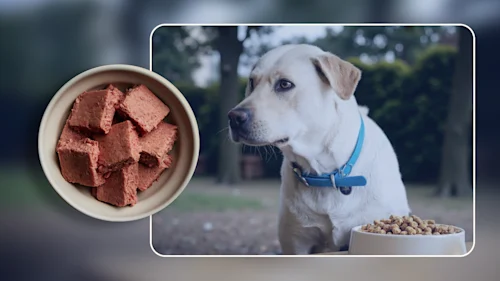
The best dog food for picky eaters is a nutrient-dense raw or fresh diet that offers intense natural aromas and textures to stimulate a dog's primal biological drive to eat.
Traditional dry kibbles lose their natural smell and flavor during high-heat manufacturing, causing many discerning canine companions to walk away from their bowls in frustration.
One of the benefits of raw dog food is that fussy eaters tend to love it, as unheated animal proteins deliver a savory scent and rich taste that heavily cooked alternatives simply cannot replicate.
Keep reading to learn more about picky pups and solutions for fussiness.
What’s the Difference Between Normal Eating and a Fussy or Picky Eater?
Distinguishing between a temporary skip in appetite and a chronic behavioral preference is essential for managing your pet's wellness.
While a normal canine will occasionally bypass a meal due to minor environmental factors, a persistently fussy or picky eater develops a deeply ingrained habit of refusing balanced nutrition without an underlying medical reason.
Normal Eating Behaviors
Healthy dogs generally exhibit consistent eating habits. They approach their food with enthusiasm, consume their meals within a reasonable timeframe (typically 15-20 minutes), and maintain a healthy weight.
Occasional variations in appetite can occur due to factors like changes in activity level, weather, or stress. However, these variations are usually temporary and don't significantly impact their overall health.
Picky Eating Defined
Picky eating, on the other hand, is characterized by a consistent and persistent refusal to eat, despite the absence of any underlying medical issues.
A truly picky dog might:
•Consistently refuse meals or eat only small amounts
•Show disinterest in food they previously enjoyed
•Exhibit a preference for human food over their own
•Require constant coaxing or hand-feeding to eat
•Display a limited range of acceptable foods
Dogs, like humans, have individual preferences. Some dogs may naturally be more discerning about their food than others. However, a sudden or drastic change in eating habits should always be investigated.
The Importance of Understanding Your Dog’s Habits
Pay attention to your dog’s usual mealtime behaviors, preferences, and any changes in their appetite. This knowledge will help you differentiate between normal variations and true picky eating.
A sudden change in eating habits could indicate health issues, which is why you should learn what is and isn’t normal for your pup.
What Can Cause Dogs to Suddenly Become Picky or Fussy Eaters?
A sudden change where a normally enthusiastic dog shifts into a fussy eater typically stems from acute physical discomfort or a sudden drop in the freshness of the food itself. Pinpointing these immediate triggers protects your pet from prolonged nutritional gaps.
Before labeling your dog a "picky eater," you should rule out any underlying health issues or problems with their food. A sudden or persistent change in appetite can be a sign of a medical condition or a problem with the food itself.
Potential Health Issues
Several health issues can cause a decrease in appetite or make eating painful for your dog, including:
•Dental Problems: Toothaches, gum disease, or broken teeth can make chewing painful, leading to a reluctance to eat.
•Gastrointestinal Issues: Nausea, vomiting, diarrhea, or other digestive problems can cause a loss of appetite.
•Infections: Bacterial, viral, or parasitic infections can affect appetite.
•Organ Diseases: Kidney, liver, or heart disease can lead to decreased appetite.
•Pain: Any source of pain, such as arthritis or injuries, can affect a dog's desire to eat.
•Medications: Certain medications can have side effects that include loss of appetite.
If your dog's pickiness is sudden, persistent, or accompanied by other symptoms (lethargy, vomiting, diarrhea, weight loss, etc.), promptly schedule a veterinary appointment. Your veterinarian can perform a thorough examination to rule out any medical causes and recommend appropriate treatment.
Bad Batch of Food
Sometimes, pickiness can be caused by a problem with the food itself:
•Spoiled Food: Food that has gone bad or is past its expiration date can smell or taste unappetizing to dogs.
•Changes in Food Formulation: Manufacturers sometimes change the ingredients or formulation of their food, which can affect its taste and palatability.
•Food Storage: Improper food storage can lead to spoilage or changes in texture and flavor.
According to PhD animal nutritionist Dr. Richard Patton, "Raw diets are very palatable and readily consumed."
Environmental Stressors
Stress and anxiety can significantly impact a dog's appetite. Changes in routine, new environments, loud noises, or separation anxiety can all contribute to pickiness.
By addressing potential health issues, ensuring the food is fresh and palatable, and minimizing environmental stressors, you can eliminate some of the most common causes of picky eating.
What Can Cause Dogs to Become Persistently Picky?
Dogs become persistently picky due to a combination of learned household behaviors, constant access to food, and sensory boredom from eating the exact same meal format every single day. When a dog learns that refusing their standard bowl results in a stream of premium human alternatives, their selective habits become deeply reinforced over time.
Learned Behavior
Dogs are intelligent creatures, and they quickly learn what gets them attention and rewards.
If your dog discovers that refusing their food leads to you offering them tastier alternatives, they'll likely continue the behavior. This is a classic example of learned pickiness. Essentially, they've trained you to cater to their preferences.
Overfeeding and Free-Feeding
Overfeeding and free-feeding (leaving food out all day) can lead to a lack of appetite and pickiness. When dogs have constant access to food, they're less likely to feel hungry at mealtimes. This can result in them grazing throughout the day or refusing meals altogether.
Lack of Variety
Just like humans, dogs can get bored with eating the same food every day. A monotonous diet can lead to a lack of interest in meals, especially if the food isn't particularly palatable.
Preference for Human Food
If your dog regularly receives table scraps or human food, they may develop a preference for these tastier options over their own dog food. This can lead to them refusing their meals in anticipation of something better.
How Do You Choose the Best Food for Fussy Dogs?
The best dog food for picky eaters will vary depending on the underlying reason for their finicky behavior.
Palatability Matters
For dogs who are picky due to boredom or a lack of interest in their current food, palatability is key. Foods with strong, natural aromas and flavors are more likely to entice picky eaters. This is where raw diets often shine.
High-Quality Ingredients
Real meat, whole foods, and minimal processing contribute to better taste and aroma. Look for foods with clearly listed ingredients and avoid those with excessive fillers, artificial additives, or vague "meat by-products."
What Makes Raw Dog Food Great for Picky Pups?
Raw animal proteins deliver an unheated, rich sensory profile that immediately triggers a dog's natural predatory feeding drives. Transitioning away from artificial, dry kibble to uncooked meats transforms a stressful chore into an exciting event for your pet.
Raw diets, like those offered by We Feed Raw, can be a game-changer for picky eaters due to:
•Variety and Natural Flavors: Raw diets offer a diverse range of proteins and textures, preventing mealtime boredom. The natural flavors and aromas of raw meat are highly appealing to dogs.
•High Protein and Improved Digestibility: The high protein content of raw diets promotes satiety, while the natural enzymes aid digestion, making meals more enjoyable and comfortable.
•Addressing Learned Behavior: The strong palatability of raw food can help break the cycle of learned pickiness by making mealtime a positive experience.
•Addressing Lack of Variety: With both frozen and freeze-dried raw options and a variety of proteins, We Feed Raw provides the variety needed to keep meal time interesting.
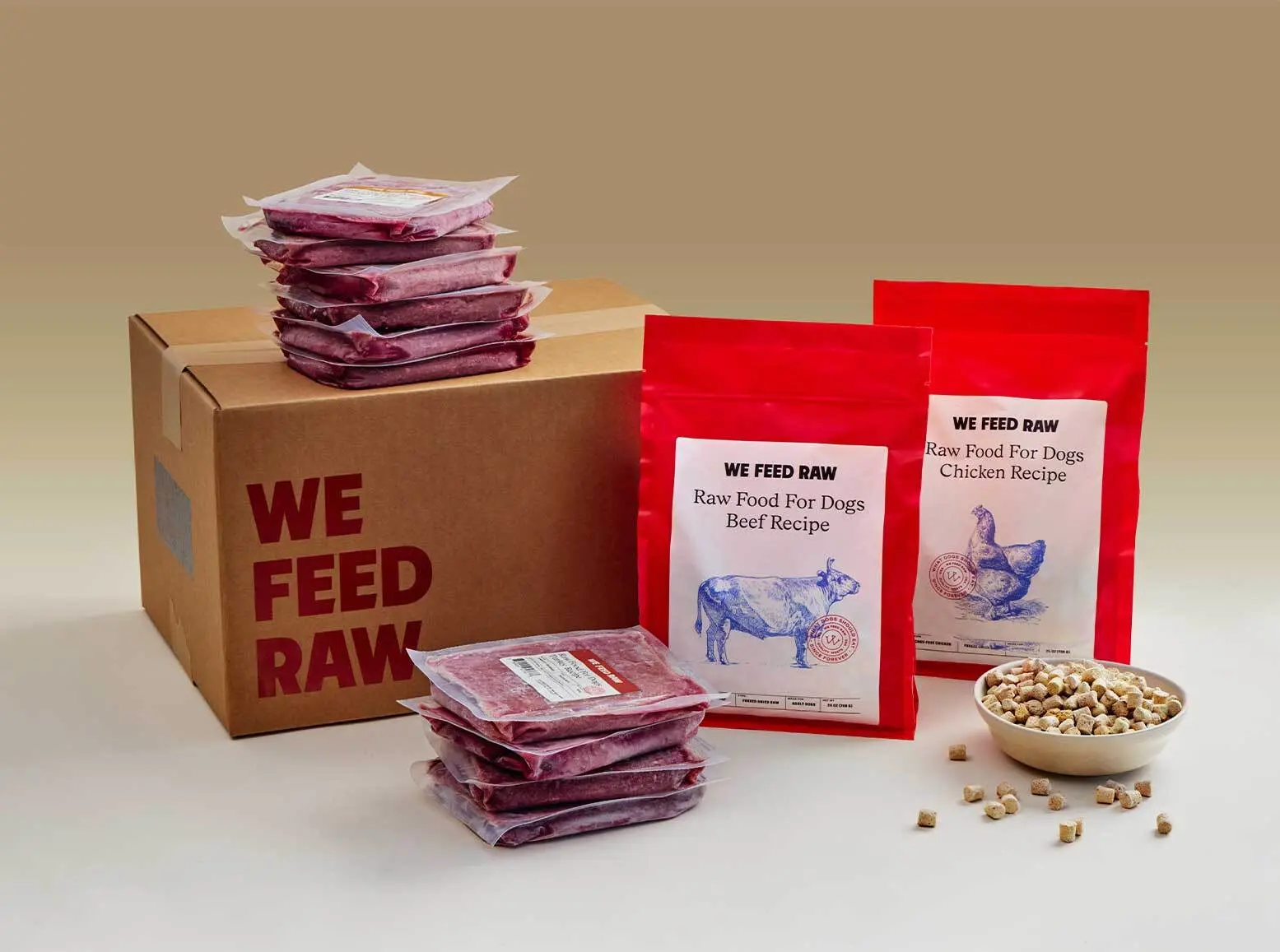
We Feed Raw's frozen and freeze-dried recipes are crafted with high-quality, human-grade ingredients, ensuring optimal palatability and nutritional value. The freeze-dried options are especially convenient for picky eaters who prefer a different texture or who need a shelf-stable alternative.
What Other Strategies Can Help Picky Eaters?
Fixing your dog's diet is the first step, but establishing structured, consistent household habits is equally vital for breaking the cycle of selective eating. Combining highly palatable fresh food with strict kitchen routines removes behavioral manipulation from your dog's daily mealtime schedule.
Establish a Consistent Feeding Schedule
Routine is crucial for dogs, especially picky eaters. Set specific meal times and stick to them as closely as possible. This helps regulate their appetite and signals when it's time to eat.
Remove Food After a Set Time
If your dog doesn't eat their meal within 15-20 minutes, remove the bowl. This helps establish a clear message that mealtime is not an all-day buffet. Avoid giving in and offering treats or other food until the next scheduled meal.
Avoid Free-Feeding
Free-feeding (leaving food out all day) can lead to grazing and a lack of appetite at mealtimes. It also makes it difficult to monitor your dog's food intake.
Use Dog Food Toppers
Toppers can enhance the palatability of your dog's food.
Consider adding small amounts of healthy toppers, such as:
•Bone broth
•A spoonful of plain yogurt (if your dog tolerates dairy)
•A small amount of fish oil
•Frozen or freeze-dried raw food
Remember to introduce toppers gradually and avoid using them as a crutch for consistently poor eating habits.
Puzzle Feeders and Enrichment
Puzzle feeders and interactive toys can make mealtime more engaging and mentally stimulating. This can be especially helpful for dogs who are bored with their food.
Consistency and Patience
Consistency is key when dealing with picky eaters. It may take time and patience to establish new mealtime routines. Avoid giving in to their demands and offering alternative foods.
How Do You Introduce New Foods to Fussy Dogs?
Introducing new foods to picky eaters requires patience, persistence, and a gradual approach. Avoid making sudden changes that can overwhelm your dog and exacerbate their finicky eating habits.
Transition Gradually
The key to successfully introducing new foods is a gradual transition. Abrupt changes can lead to digestive upset and further reinforce pickiness.
Mix Old and New
Follow these steps for a smooth transition:
•Start Small: Begin by mixing a very small amount of the new food (about 10-25%) with their current food.
•Gradually Increase: Over the next 7-10 days, gradually increase the proportion of the new food while decreasing the amount of the old food.
•Monitor Stools: Pay close attention to your dog's stools for any signs of digestive upset (diarrhea, vomiting, or changes in consistency). If you notice any problems, slow down the transition or consult with your veterinarian.
•Patience Is Key: Some dogs may require a longer transition period than others. Be patient and don't rush the process.
Offer Variety
Picky eaters often benefit from variety. Introduce different proteins, textures, and flavors to keep mealtime interesting. Consider rotating between frozen and freeze-dried raw options, or trying different protein sources within the We Feed Raw line.
Be Patient and Persistent
Don't give up if your dog initially refuses the new food. Continue to offer it consistently, following the gradual transition guidelines. Avoid offering alternative foods or treats if they refuse the new food, as this will only reinforce their pickiness.
Provide Positive Reinforcement
Create a positive association with the new food by offering it during calm and relaxed meal times. Praise your dog when they eat, and avoid creating any stress or pressure around mealtime.
We Feed Raw Is the Best Dog Food for Picky Eaters
We Feed Raw's frozen and freeze-dried recipes are specifically designed to address the needs of picky eaters with our:
•High-Quality Ingredients: Our recipes are crafted with human-grade meats, organs, and either bones (in our frozen recipes) or non-GMO fruits and veggies (in our freeze-dried recipes), ensuring optimal palatability and nutritional value.
•Variety of Proteins: We offer a diverse range of protein sources, allowing you to rotate flavors and keep mealtime exciting.
•Freeze-Dried Convenience: Our new freeze-dried options provide the same nutritional benefits as our frozen recipes but with the convenience of a longer shelf life and no need for thawing. This can be especially appealing for picky eaters who prefer a different texture or who need a shelf-stable alternative.
•Ease of Transition: We Feed Raw provides resources and guidance to help you smoothly transition your picky eater to a raw diet.
Take our quiz now to start your dog’s meal plan.
Our Meals Change Lives.
(Theirs + Yours.)
See health improvements from our raw meals in as little as 1 week.
Find your dog's perfect plan


